
What to Avoid When Buying an Electric Bike?
Buying an electric bike can be exciting, but choosing the wrong model can quickly turn that excitement into frustration. With so many e-bikes on the market, it is easy to focus on eye-catching specifications such as top speed, motor wattage, or advertised range while overlooking the factors that have a bigger impact on everyday use.
Whether you are buying an e-bike for commuting, delivery, rental, or a larger commercial fleet, the right choice depends on much more than price. Battery performance, motor suitability, riding comfort, maintenance requirements, and after-sales support can all influence how useful and cost-effective the bike will be over time.
So, what should you avoid when buying an electric bike?
The biggest mistake is choosing a model before understanding how it will actually be used. An electric bike that performs well for short urban commutes may not be suitable for hilly routes, long delivery shifts, or high-frequency fleet operations. Before making a decision, it is worth looking beyond the headline specifications and considering the complete ownership experience.
1. Avoid Focusing Only on Battery Range
Battery range is often one of the first things buyers compare when shopping for an electric bike. However, the range displayed on a product page should not be treated as a guarantee of how far the bike will travel in every situation.
Actual range can change significantly depending on rider weight, terrain, riding speed, cargo, weather conditions, tire pressure, and the level of electric assistance being used. A bike that achieves an impressive range under ideal test conditions may deliver a very different result during daily operation.
Instead of simply asking how many miles an e-bike can travel on a single charge, think about your normal riding pattern. A commuter may only need enough battery capacity for two short trips per day, while a delivery rider may require consistent performance throughout a much longer shift.
For commercial buyers, battery management becomes even more important. Replacement availability, charging time, battery service life, and the ability to maintain multiple vehicles should all be considered before making a larger purchase.
The goal is not to find the largest battery available. It is to choose a battery system that matches the real demands of your operation.
2. Don't Assume More Motor Power Means a Better E-Bike
Another common mistake when buying an electric bike is assuming that the highest motor wattage will automatically deliver the best riding experience.
Motor power should be evaluated in the context of where and how the e-bike will be used. A powerful motor may be beneficial for steep hills, heavier riders, or cargo applications, but it may offer little advantage for short trips on relatively flat urban roads.
It is also important to consider torque, acceleration characteristics, energy consumption, and local regulations. In some markets, motor power and assisted speed are regulated, meaning a high-powered configuration may not be appropriate for every location.
A better approach is to match the motor to the expected workload. An e-bike used for daily commuting has different requirements from one used for delivery or shared mobility. Choosing the right motor configuration can improve efficiency while avoiding unnecessary energy consumption and operating costs.
3. Avoid Ignoring the Weight and Handling of the Bike
Electric bikes are usually heavier than conventional bicycles because they include a motor, battery, electrical components, and often a reinforced frame. However, weight should not be evaluated in isolation.
A lighter e-bike may be easier to carry upstairs or load into a vehicle, but a more robust bike may offer better durability for demanding commercial use. The important question is whether the overall weight and design are appropriate for the intended application.
Handling is equally important. A bike may feel stable at higher speeds but be difficult to maneuver when parking or moving through crowded streets. For riders who frequently stop and start, low-speed balance and ease of handling can have a major impact on the overall experience.
If possible, a test ride can reveal much more than a specification sheet. It allows you to understand how the bike accelerates, turns, stops, and responds in real conditions.
4. Don't Overlook Comfort and Rider Fit
An electric bike can have a powerful motor and long battery range, but those features will not matter much if the rider is uncomfortable after a short period of use.
Frame geometry, saddle position, handlebar height, suspension, and riding posture all influence comfort. This becomes especially important for people who ride regularly or spend long hours on the bike.
A commuter may prefer an upright riding position that provides better visibility and reduces strain on the back and shoulders. A delivery rider may need a design that remains comfortable during frequent stops and longer shifts. For shared or rental applications, a user-friendly frame that accommodates different riders can be more practical than a highly specialized design.
Before buying, consider who will be riding the bike and for how long. The right fit can improve comfort, control, and confidence while reducing fatigue during daily use.
5. Avoid Choosing the Cheapest E-Bike Without Looking at Quality
Price is an important factor, but choosing the cheapest electric bike available can sometimes create higher costs later.
Lower-priced products are not automatically poor quality, but buyers should look carefully at the components and support behind the product. The battery, motor, controller, braking system, frame, tires, and electrical connections all contribute to long-term reliability.
For individual buyers, a breakdown may simply be inconvenient. For a business operating multiple vehicles, repeated maintenance issues can result in downtime, lost productivity, and additional repair costs.
This is why the purchase price should be viewed as only one part of the decision. A more reliable electric bike may cost more initially but provide better value over its working life if it requires fewer repairs and has accessible replacement parts.
When comparing models, it is often more useful to ask, "What will this bike cost to own and operate over time?" rather than simply asking which one is cheapest.
6. Don't Treat Safety Features as an Afterthought
Safety should be considered before purchasing an electric bike rather than after a problem occurs.
Reliable brakes, appropriate tires, effective lighting, reflectors, and stable frame geometry all contribute to safer riding. The importance of each feature can vary depending on where the bike will be used.
For example, riders operating in busy urban environments may benefit from strong lighting and predictable braking performance. Bikes used on uneven roads may require tires and suspension systems that provide better stability and control.
Disc brakes are commonly used on many electric bikes because they can provide consistent stopping performance, particularly in demanding conditions. However, braking performance also depends on maintenance, tire grip, rider behavior, road conditions, and the overall design of the bike.
For fleet operators, regular inspections are just as important as the original equipment. A well-designed electric bike still requires ongoing maintenance to remain safe and reliable.
7. Avoid Ignoring Local E-Bike Regulations
Electric bike laws are not the same everywhere.
Motor power, maximum assisted speed, throttle use, helmet requirements, and vehicle classification can vary from one country or region to another. A model that is suitable for one market may not meet the requirements of another.
This is particularly important for businesses purchasing electric bikes for distribution, rental programs, delivery operations, or other commercial projects.
Before placing an order, buyers should confirm that the selected configuration is appropriate for the intended market. Checking compliance requirements early can prevent unnecessary modifications, delays, or restrictions later.
8. Don't Buy Without Understanding the Real Riding Experience
Product specifications can tell you about motor power, battery capacity, and weight, but they cannot fully describe what the electric bike feels like to ride.
Whenever possible, take a test ride or request a sample before making a final decision.
Pay attention to how smoothly the bike accelerates, how comfortable the riding position feels, how easy it is to control at low speeds, and how confidently it stops. These details can be especially important for first-time riders or businesses planning to purchase multiple units.
For commercial projects, testing a sample before placing a large order can also help identify potential issues early. A pilot program can provide useful information about rider feedback, battery performance, maintenance requirements, and overall durability.
Real-world testing is often one of the most effective ways to avoid an expensive purchasing mistake.
9. Don't Forget About Maintenance and Spare Parts
Buying an electric bike is not the end of the ownership process. Like any vehicle, an e-bike will eventually require maintenance, repairs, and replacement components.
Before purchasing, consider how easily the battery, tires, brakes, and other components can be serviced. It is also worth asking whether replacement parts will remain available and what type of technical support is provided.
This becomes increasingly important as the number of bikes increases. For a commercial fleet, even a relatively small maintenance issue can become expensive if multiple vehicles are unavailable at the same time.
A reliable supplier should therefore be evaluated not only on the product itself but also on the support available after the purchase.
10. Avoid Comparing Only the Initial Purchase Price
One of the biggest mistakes buyers make is focusing entirely on the upfront cost of an electric bike.
The real cost of ownership can include charging, maintenance, replacement parts, battery replacement, repairs, and vehicle downtime. For a personal commuter, these costs may remain relatively manageable. For a delivery company or shared mobility operator, they can have a significant impact on long-term profitability.
This is why total cost of ownership is an important part of the purchasing process.
A cheaper bike may appear to offer better value at first, but frequent maintenance or limited spare parts availability can quickly change that calculation. On the other hand, a more durable model with better after-sales support may provide stronger long-term value.
The best electric bike is not always the one with the lowest price. It is the one that delivers the right balance between performance, reliability, maintenance, and operating costs.
How to Choose the Right Electric Bike for Your Needs
Avoiding common mistakes is easier when you start with a clear understanding of how the electric bike will be used.
Think about the typical riding distance, terrain, rider requirements, cargo needs, charging opportunities, and expected frequency of use. These factors will help determine the most suitable battery, motor, frame, and component configuration.
For individual riders, comfort and daily convenience may be the main priorities. For businesses, durability, maintenance efficiency, spare parts availability, and long-term operating costs may become equally important.
If you are purchasing electric bikes for a larger operation, it can also be useful to test a sample before committing to a full order. Real-world testing provides a clearer picture of how the bike performs under the conditions it will actually face.
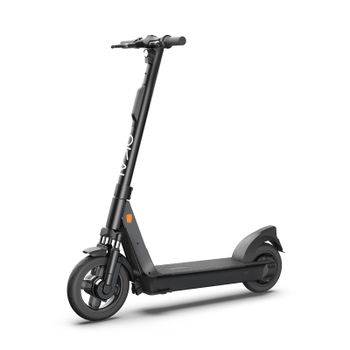
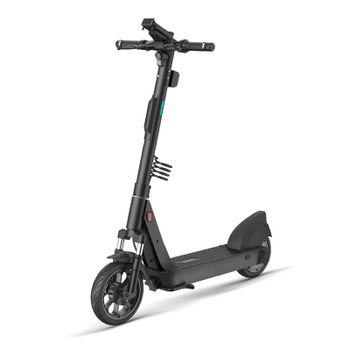
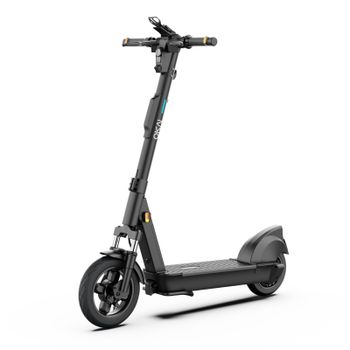
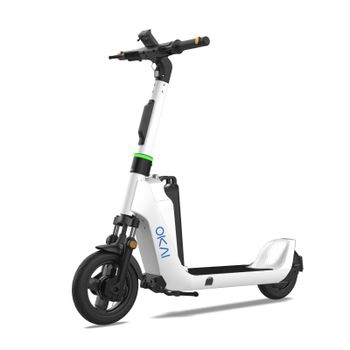
You can explore OKAI's electric bike solutions to learn more about electric bikes designed for different mobility and commercial applications.
Frequently Asked Questions
What should I avoid when buying an electric bike?
Avoid choosing an e-bike based only on price, motor wattage, or advertised battery range. A better decision should also consider comfort, braking performance, component quality, maintenance requirements, warranty coverage, and how the bike will be used.
Is a more powerful electric bike always better?
Not necessarily. The right motor depends on the terrain, rider or cargo weight, intended use, and local regulations. More power can be useful in demanding conditions but may be unnecessary for everyday urban riding.
Should I test an electric bike before buying?
Yes, whenever possible. A test ride can help you evaluate comfort, handling, braking, acceleration, and ease of use. For larger purchases, testing a sample before placing a full order can help reduce purchasing risks.
Is a cheap electric bike worth buying?
A lower price does not automatically mean poor quality. However, buyers should look beyond the initial cost and consider reliability, maintenance, replacement parts, and after-sales support. The cheapest option is not always the most cost-effective over time.
Final Thoughts
Knowing what to avoid when buying an electric bike can help you make a more informed decision and prevent problems that may only become apparent after the purchase.
Instead of focusing only on battery range, motor power, or price, consider how the bike will perform in everyday use. Think about the roads it will travel on, how often it will be ridden, how easily it can be maintained, and what support will be available if something goes wrong.
For individual riders, the right electric bike should fit naturally into daily life. For businesses and fleet operators, it should also deliver reliable performance and manageable operating costs over time.
Taking the time to evaluate these factors before purchasing can make the difference between simply buying an electric bike and choosing one that continues to meet your needs long after the first ride.

Phone: 1-800-660-3498
Email:
nihao@okai.co
(for business)
b2bsupport@okai.co
(for tech support)
Copyright © 2023 OKAI all rights reserved.