
Can an Electric Bike be Charged all Night?
In our fast-paced, eco-conscious world, the electric bike has become a popular symbol of smart mobility—efficient, affordable, and sustainable. Yet one common question keeps popping up among new riders: Can an electric bike be charged all night?
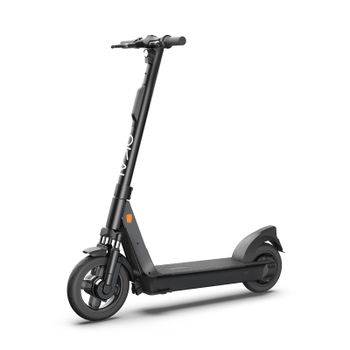
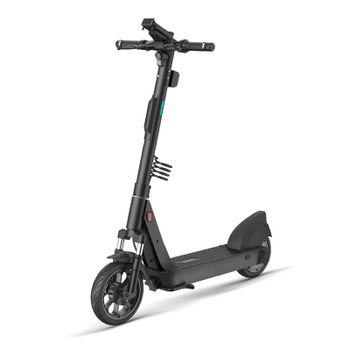
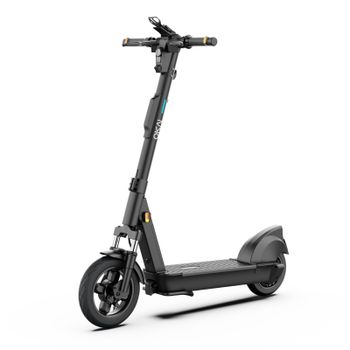
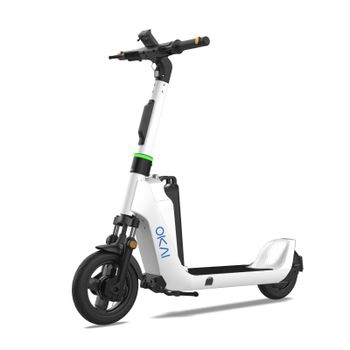
This article dives deep into this everyday concern, exploring how long you should charge your electric bike, what happens if you overcharge it, and how modern designs—like the OKAI EB100B electric bike—make charging safer and smarter than ever.
Understanding How Electric Bike Charging Works
An electric bike operates using a rechargeable lithium-ion battery that powers its motor. These batteries typically range between 36V and 48V, depending on the model and performance needs.
When you plug in your electric bike, the charger converts AC power from your wall outlet into DC power, which replenishes the battery cells.
But here’s the key question many riders ask: Is it okay to leave my electric bike plugged in all night? To answer that, we need to look at how electric bike battery management systems (BMS) work.
The Role of the Battery Management System (BMS)
A BMS is essentially your electric bike’s battery guardian. It monitors voltage, temperature, and charging levels to prevent overcharging or overheating.
When your electric bike reaches full charge, the BMS automatically cuts off the current, keeping your battery safe—even if you forget to unplug it overnight.
So, Can You Charge an Electric Bike Overnight?
The Short Answer: Yes, But with Caution
Yes, you can charge an electric bike overnight— if it uses a high-quality lithium-ion battery and a smart charger. Most electric bikes take between 4 to 6 hours to reach a full charge, depending on the battery’s capacity and the charger’s output. Leaving it plugged in for an extra hour or two won’t cause harm if your bike’s BMS is functioning properly.
However, habitually leaving your electric bike plugged in for extended periods—every night—can slightly reduce battery lifespan over time due to prolonged exposure to high voltage and there are potential safety hazards.
How Long Should You Charge an Electric Bike?
Here’s a general guideline:
Battery Capacity | Typical Charging Time | Recommended Practice |
250–400 Wh | 3–4 hours | Unplug after full charge |
400–600 Wh | 4–6 hours | Overnight charging acceptable occasionally |
600–1000 Wh | 6–8 hours | Use a timer or smart plug if charging overnight |
As you can see, occasional overnight charging is perfectly fine, but keeping your electric bike plugged in 24/7 isn’t ideal.
What Happens If You Overcharge an Electric Bike Battery?
While most electric bike batteries today are designed with built-in protection, overcharging can still cause minor degradation. Here’s what might happen:
- Increased heat during prolonged charging can wear out battery cells faster.
- Voltage stress may lead to reduced battery efficiency over time.
- Potential safety risks arise with lower-quality chargers or unregulated power sources.
That’s why using the manufacturer’s original charger is crucial. OKAI’s EB100B electric bike, for instance, comes with a dedicated charger that matches the battery’s optimal charging curve, ensuring safe and balanced power delivery every time.
Tips to Charge Your Electric Bike Safely Overnight
If you decide to charge your electric bike overnight, follow these best practices to keep your battery in perfect shape:
1. Use the Original Charger
Always use the charger that came with your electric bike. Third-party chargers can have incorrect voltage or amperage, risking battery damage or even fire hazards.
2. Charge in a Cool, Dry Place
Lithium-ion batteries dislike heat. Avoid charging your electric bike near heaters or direct sunlight. A room temperature of 20–25°C (68–77°F) is ideal.
3. Avoid Full Discharge Before Charging
Try not to drain your electric bike battery to 0%. Recharging when it drops to around 20–30% helps prolong lifespan.
4. Unplug After Full Charge
Even though modern BMS systems stop charging automatically, unplugging your electric bike after it’s full prevents unnecessary energy consumption.
5. Check for Firmware or Battery Updates
Some advanced models, like the OKAI EB100B, allow firmware updates that optimize charging and improve battery management efficiency.
How Long Do Electric Bike Batteries Last?
The lifespan of an electric bike battery depends on usage habits, storage conditions, and charging frequency.
On average, a high-quality electric bike battery lasts between 500 to 1,000 full charge cycles, which translates to roughly 3 to 5 years of typical use.
To extend this lifespan:
- Avoid exposing your electric bike to extreme temperatures.
- Store it partially charged (around 60%) if you won’t use it for several weeks.
- Charge regularly instead of letting it sit completely drained.
Modern Electric Bikes Make Overnight Charging Smarter
How Technology Has Improved Safety
Thanks to modern engineering, electric bikes are now safer and more intelligent than ever. Advanced sensors, heat-resistant materials, and smart chips inside the battery pack make overnight charging less risky.
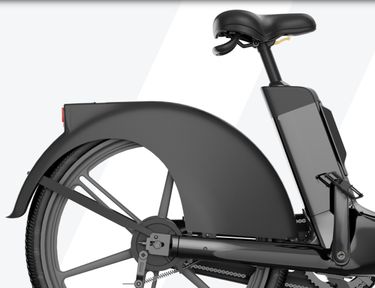
The OKAI EB100B electric bike exemplifies this evolution. Designed for urban commuters, it uses a new battery lock structure that minimizes vibration between the frame and the battery. This ensures durability while enhancing anti-theft protection.
Moreover, the EB100B’s wide range of battery options (80–100 km) gives riders flexibility for different commuting needs—whether daily urban rides or longer weekend journeys.
Is It Better to Charge Your Electric Bike After Every Ride?
Another popular question among riders is: Should I charge my electric bike after every ride?The answer depends on how far you’ve traveled.
If your battery drops below 50%, topping it up after each ride is a good habit. But if you’ve only used 10–15% of your charge, it’s okay to wait a bit.
The goal is to keep your electric bike battery between 20% and 80% most of the time—this range maintains optimal cell health and capacity.
Can You Use a Timer or Smart Plug for Charging?
Absolutely. Using a smart plug or timer is one of the easiest ways to protect your electric bike battery when charging overnight.
You can program it to cut power after 4–6 hours—just enough time for a full charge.This simple trick reduces unnecessary trickle charging and ensures energy efficiency.
Common Myths About Charging Electric Bikes Overnight
Myth 1: “Charging Overnight Always Damages the Battery”
Not true. Modern electric bike batteries with BMS technology are designed to stop charging automatically once full. However, occasional unplugging helps conserve overall lifespan.
Myth 2: “You Need to Fully Drain the Battery Before Recharging”
That’s an outdated rule from older nickel-based batteries. Lithium-ion electric bikes actually last longer when you avoid full discharges.
Myth 3: “It’s Dangerous to Charge Indoors”
Charging indoors is safe—as long as your electric bike and charger are in good condition, and you follow proper ventilation and safety guidelines.
Why the OKAI EB100B Electric Bike Stands Out
When it comes to reliability, design, and charging safety, the OKAI EB100B electric bike checks every box.
Here’s why:
- Compatible batteries with OKAI’s shared scooter models (EB300, ES400, ES600P).
- Reduced shaking thanks to a new stainless-steel battery lock structure.
- Enhanced anti-theft protection for peace of mind.
- Extended battery range (up to 100 km) for diverse urban travel needs.
For business operators or individuals who value dependability and easy battery management, the EB100B offers a seamless, future-ready commuting experience.
Final Thoughts: Should You Charge Your Electric Bike All Night?
It's okay to charge it all night occasionally, but it's best not to. Occasionally leaving it plugged in won’t harm your electric bike, but consistent overcharging can shorten battery life over time.

Phone: 1-800-660-3498
Email:
nihao@okai.co
(for business)
b2bsupport@okai.co
(for tech support)
Copyright © 2023 OKAI all rights reserved.