
Can You Ride an Ebike With The Motor Off?
Riding an Ebike without the motor offers a unique challenge and can be an excellent way to get a great workout. While Ebikes are known for their motorized assistance, they can still be ridden like traditional bikes when the motor is turned off. In this article, we’ll explore the mechanics, advantages, and challenges of riding an Ebike without motor support and provide helpful tips to make your ride easier and more efficient.
Mechanics of Riding an Ebike with the Motor Off
When you ride an Ebike with the motor off, it essentially functions like a regular bicycle. However, due to the added weight and design of Ebikes, there are several factors to consider to ensure a smooth and enjoyable ride. Let’s break down the mechanics of an Ebike without the motor running.
1. Drivetrain and Pedal Power
Like a traditional bike, an Ebike uses pedals, a chain, gears, and wheels to generate movement. Without the motor’s help, you rely entirely on your legs for pedaling.
- Gear Selection: Gears are essential when riding without the motor. For flat surfaces, you’ll want to use a higher gear to maintain speed with minimal effort. On hilly or rough terrain, a lower gear will make pedaling easier, allowing you to conserve energy.
- Chain and Chainring: The chain transfers power from the pedals to the wheels. Without motor torque, it’s all about your physical strength. The condition of your chain, chainring, and sprockets directly impacts how smoothly you can pedal.
2. Pedal Resistance
Without the motor providing assistance, you might notice more resistance when pedaling. This is because the motor and battery add weight, which increases the effort needed to move the bike forward.
- Motor and Gear Drag: Even though the motor is off, it can still create slight drag, particularly with hub motors located in the wheel. Modern Ebikes are designed to minimize this, but you’ll still feel the added weight, especially on inclines.
- Battery Weight: The battery, which is necessary for the motor, also adds to the overall weight. This added weight can make the bike feel heavier, requiring more effort, particularly on long rides or uphill.
3. Handling and Stability
When the motor is off, the Ebike feels more like a traditional bike, but there are some noticeable differences in handling due to the added weight of the motor and battery.
- Bike Balance: The motor's weight, typically in the wheel hub or frame, changes the bike’s balance. Without the motor, you may feel the bike requires more effort to maneuver, particularly at low speeds or tight turns. However, most Ebikes have design features that maintain stability.
- Wheel Size: Larger wheels, which are common on Ebikes, offer better traction and stability. But they also contribute to the bike’s overall weight, which can make handling more challenging, especially at slower speeds or when making sharp turns.
4. Speed and Performance
One of the main benefits of an Ebike is the added motor assistance that makes riding faster and less physically demanding. Without the motor, your speed will be entirely dependent on your pedaling power.
- Speed Limitation: On a motorless Ebike, you're likely to ride at speeds between 10-15 mph, depending on your fitness level and terrain. In contrast, with the motor on, you can easily reach speeds of 28 mph or more.
- No Motorized Assistance: While Ebikes are designed to ease the effort required to ride at higher speeds, turning the motor off means you’ll need to put in more effort, especially on inclines or over longer distances.
5. Battery and Power Conservation
A key advantage of riding an Ebike with the motor off is conserving battery life, especially if you plan to ride for longer distances.
- Longer Rides: Riding without the motor uses no battery power, allowing you to extend your ride. This is especially useful if you need to save the battery for a portion of the ride that requires motor assistance.
- Battery Drainage: While turning off the motor saves battery life, the motor and battery still contribute to the bike’s weight, which may increase resistance and make pedaling more difficult over long distances.
6. Braking and Stopping
The braking system of an Ebike, whether with the motor on or off, is designed to handle the bike’s weight. Ebikes typically feature hydraulic or mechanical disc brakes for smooth, reliable stopping.
- Brake Modulation: Without the motor’s regenerative braking (which helps recharge the battery while slowing down), you rely entirely on your bike's braking system to stop. Most modern Ebikes are equipped with powerful brakes to manage the added weight effectively.
- Stopping Distance: While the added weight of an Ebike might increase stopping distance compared to a traditional bike, the strong braking systems of modern Ebikes ensure safe and efficient stops, even without motor assistance.
Advantages of Riding an Ebike Without Assistance
While many Ebike riders enjoy the convenience of motor assistance, riding without it offers some unique benefits, both for your health and the planet. Let’s dive into the advantages of cycling without relying on the motor.
Physical Benefits
1.Improved Cardiovascular Health:
Riding your Ebike without the motor engages your heart and lungs in a way that’s similar to cycling on a traditional bike. It helps improve circulation, strengthens your cardiovascular system, and can reduce the risk of heart disease over time.
2.Increased Calorie Burn:
Pedaling manually means you’ll be working harder, leading to more calories burned. If weight loss or fitness improvement is a goal, riding without the motor gives you an effective workout, especially on challenging terrains.
3.Enhanced Muscle Strength:
Without motor assistance, you’ll rely on your own strength to propel the bike. This activates key muscles in your legs, glutes, and core, helping you build strength and endurance as you cycle.
4.Better Mental Focus:
Riding an Ebike without the motor makes you more connected to the terrain and the bike itself. This mindfulness encourages better mental focus, improving both your physical and emotional well-being as you enjoy your ride.
Sustainability Aspects
1.Battery Conservation:
Turning off the motor extends the life of your bike’s battery, especially on long rides. This helps reduce the frequency of charging, saving both energy and time.
2.Lower Environmental Impact:
By cycling without the motor, you reduce your energy consumption, contributing even further to the environment. This aligns perfectly with the eco-friendly goals of using Ebikes in the first place.
3.Promotion of Green Travel:
Ebikes are already a greener alternative to cars, but riding without the motor takes it a step further. By choosing to cycle more traditionally, you help reduce air pollution, cut down on traffic, and make a more significant impact in reducing your carbon footprint.
4.Sustainable Manufacturing:
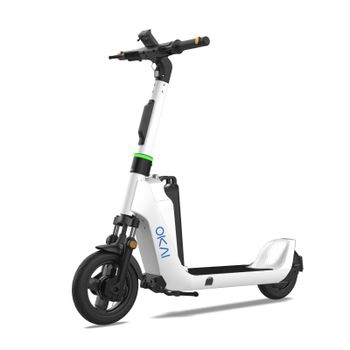
Many Ebikes, such as those from OKAI, are built with eco-friendly materials and designed for long-term durability. These bikes feature recyclable components and are constructed to minimize waste, making them a great choice for environmentally-conscious riders.
Challenges of Riding an Ebike Without Power
While riding an Ebike without motor assistance can be an excellent workout, it also presents a few challenges. These challenges are primarily due to the additional weight and varying terrain conditions. Let’s take a closer look at what you may face when riding an Ebike without power.
Weight Considerations
One of the most noticeable differences when riding an Ebike without motor assistance is the added weight. Ebikes are designed with motors and batteries that significantly increase their overall weight. Here's how this extra weight affects your ride:
- Heavier Frame: The motor and battery contribute considerable weight to the bike. Without the motor's support, you're left with this extra mass to maneuver, which can make cycling on inclines or over long distances more challenging.
- Increased Pedal Resistance: The motor and battery create drag, which adds resistance when pedaling. This makes the bike feel heavier and can make your ride feel more strenuous, especially if you’re used to the motor’s assistance.
- Handling and Maneuverability: The extra weight affects how the bike handles. Turning, maneuvering, or riding at slower speeds requires more effort. This is particularly noticeable on tight trails or in urban environments with frequent stops and starts.
Terrain Impact
The type of terrain you’re riding on also plays a role in the challenge of riding without power. Ebikes are designed to handle a variety of surfaces, but without motor assistance, your experience can change depending on the terrain.
- Uphill Struggles: Climbing hills without the motor can be significantly harder. Ebikes are equipped with motors that provide extra power when going uphill, so without this assistance, you’ll need to rely entirely on your strength. This can be tiring, particularly on long or steep inclines.
- Rough or Uneven Terrain: Ebikes are equipped with larger tires and suspension systems that make navigating rough surfaces easier. When the motor is off, you’ll need to rely more on your balance and pedaling technique. This can make the ride more difficult, especially on loose gravel, sand, or rocky trails.
- Speed Limitations: Without the motor, maintaining a consistent speed, especially on uneven terrain, can be challenging. Your pace will depend entirely on your pedaling ability, and on rough surfaces, it can be harder to maintain the speed you’re used to with motor support.
Tips for Riding an Ebike Without the Motor On
Riding an Ebike without motor assistance can be a great workout. Here are some tips to make your ride more comfortable and efficient when the motor is off.
1. Choose the Right Gear
Without motor power, choosing the right gear becomes even more important.
- Flat Roads: Use a higher gear to maintain speed with less effort.
- Hills: Switch to a lower gear to make pedaling easier on inclines and avoid getting too tired.
2. Use Efficient Pedaling Technique
Pedaling without the motor requires more effort, so make it count.
- Smooth Pedals: Keep a steady, smooth pedaling rhythm to reduce fatigue and prevent jerky movements.
- Good Posture: Sit up straight, relax your body, and avoid putting unnecessary strain on your back.
3. Adjust Tire Pressure for Comfort
Tire pressure plays a significant role in your ride quality.
- Smooth Roads: Keep tire pressure high for a faster, smoother ride.
- Rough Terrain: Lower tire pressure helps with traction and makes the ride more comfortable on bumpy or uneven surfaces.
4. Manage Extra Weight
You’ll feel the weight of the motor and battery more when the motor is off.
- Balance in Turns: Lean into turns to better manage the bike’s weight.
- Take Breaks: If you’re riding long distances or uphill, take breaks to avoid exhaustion.
5. Plan Your Route
Planning your route ahead of time is especially helpful when the motor is off.
- Start Easy: Begin with flat roads or easy trails, then gradually tackle more challenging terrain.
- Avoid Difficult Terrain: Skip steep hills or rough paths if you’re new to riding without motor assistance.
6. Conserve Your Energy
Without the motor, you’ll be using more of your physical energy, so pace yourself.
- Take It Slow: Don’t push too hard at the start. Gradually increase your speed as you get comfortable.
- Take Breaks: Rest when needed, especially during longer rides, to recharge.
7. Watch Your Battery
If you plan to use the motor later, keep an eye on the battery level.
- Save Power: Riding without the motor saves battery power, but don’t forget to check it in case you need extra assistance for difficult terrain.
Conclusion
In conclusion, riding an Ebike without the motor on can be a rewarding experience, offering benefits like improved cardiovascular health, increased calorie burn, and a stronger connection to your bike and the terrain. However, it's important to account for the extra weight and the varying terrain conditions. If you’re looking for an Ebike that combines both motorized and manual riding smoothly, OKAI Ebikes provide a great option. With durable, eco-friendly designs and impressive performance, OKAI makes it easy to enjoy both motor-assisted and manual rides.

Phone: 1-800-660-3498
Email:
nihao@okai.co
(for business)
b2bsupport@okai.co
(for tech support)
Copyright © 2023 OKAI all rights reserved.