
How Electric Scooter Frame Design Impacts Safety
Electric scooters are often evaluated based on visible performance metrics such as speed, battery range, and motor power. However, from an engineering perspective, electric scooter frame design is the underlying factor that determines whether those performance features can be used safely.
In real-world riding conditions, especially in urban environments, scooters are exposed to uneven roads, repeated vibrations, sudden braking, and varying rider weights. Under these conditions, the frame is responsible for maintaining structural stability and ensuring predictable handling.
In practice, many safety incidents are not caused by electronic failure, but by gradual structural degradation or poor frame design decisions. For both individual riders and fleet operators, understanding how frame design impacts safety is essential for reducing risks and improving long-term reliability.
What Is an Electric Scooter Frame?
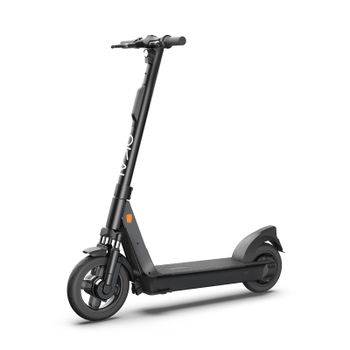
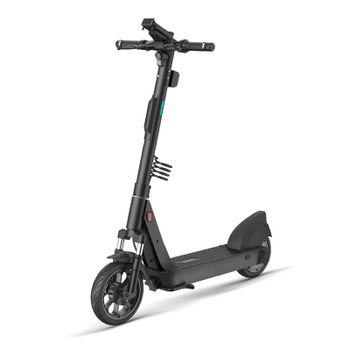
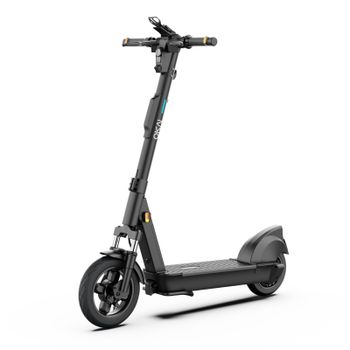
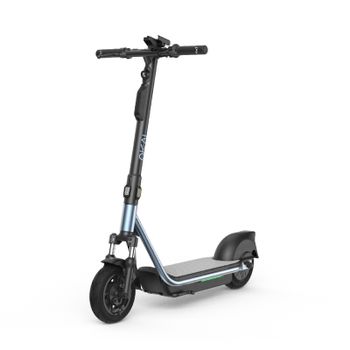
An electric scooter frame is the core structural system that supports all major components, including the deck, stem, wheels, and battery housing. It acts as the backbone of the vehicle, ensuring that all parts remain aligned and functional under load.
From an engineering standpoint, the frame must meet several requirements:
- Support both static and dynamic loads
- Maintain steering alignment during movement
- Absorb and distribute shock from road conditions
- Resist fatigue over repeated use cycles
Unlike simple mechanical structures, modern electric scooter frames are composed of multiple interconnected elements, including tubing, joints, welds, and folding systems. The interaction between these elements directly influences safety performance.
Key Frame Design Factors That Affect Safety
Material Selection
Material choice is fundamental to electric scooter frame design. It determines not only the weight of the scooter but also its resistance to stress and long-term fatigue.
Common materials include:
- Aluminum alloys, known for their lightweight and corrosion resistance
- Steel, which offers higher strength but adds weight
- Reinforced composite materials used in more advanced designs
From practical experience, the challenge is not choosing the strongest material, but achieving the right balance between weight, durability, and fatigue resistance. A frame that is too light may be more prone to deformation, while an overly heavy frame may reduce maneuverability and efficiency.
In many real-world cases, frame failure does not occur suddenly but develops over time due to micro-fatigue in materials under repeated stress.
Structural Geometry and Weight Distribution
The geometry of the frame plays a critical role in determining how the scooter behaves during riding.
Key design considerations include:
- The position of the center of gravity
- Deck dimensions and rider stance
- Alignment between the stem and wheelbase
A lower center of gravity generally improves stability, particularly during acceleration and cornering. A wider deck allows for better weight distribution, reducing the likelihood of imbalance.
Conversely, poorly designed geometry can result in:
- Steering instability
- Increased wobbling at higher speeds
- Reduced traction on uneven surfaces
In real-world usage, these issues often become noticeable only after extended riding, making geometry a subtle but critical safety factor.
Folding Mechanism Stability
Folding mechanisms are widely used in electric scooters for portability, but they introduce structural complexity.
From an engineering perspective, every folding joint represents a potential point of weakness. Over time, repeated folding and unfolding can lead to:
- Mechanical wear
- Loosening of locking components
- Reduced structural rigidity
In many observed cases, folding mechanisms are among the first components to show signs of degradation. If not properly designed, they can compromise the overall integrity of the frame and lead to unexpected instability during riding.
Reliable designs typically include reinforced locking systems, precision-engineered joints, and anti-loosening features to ensure long-term performance.
Welding and Joint Integrity
The durability of an electric scooter frame depends heavily on the quality of its joints.
Critical stress points—such as the connection between the stem and deck—must withstand repeated loading and vibration. Poor welding or insufficient reinforcement can lead to:
- Micro-crack formation
- Progressive structural weakening
- Eventual failure under stress
In many reported cases, failures originate at joints rather than in the main frame material. This highlights the importance of precision manufacturing and consistent quality control.
From an engineering standpoint, well-designed joints distribute stress evenly, reducing the likelihood of localized failure.
Common Frame-Related Safety Risks
Even with proper design, certain risks can develop over time, especially in high-use environments.
Frame Cracks
Small cracks caused by repeated stress may initially go unnoticed but can expand and lead to sudden structural failure.
Loose or Unstable Stem
A loose steering column affects control accuracy and increases the risk of accidents, particularly at higher speeds.
Deck Deformation
A bent or weakened deck alters weight distribution, making it harder for the rider to maintain balance.
Folding Lock Failure
Failure of the locking mechanism can result in immediate structural instability, posing a serious safety hazard.
Industry observations suggest that these risks are more likely to occur in scooters exposed to heavy usage, rough terrain, or inconsistent maintenance practices.
How Good Frame Design Improves Rider Safety
Effective electric scooter frame design addresses these risks through a combination of structural strategies.
Key safety enhancements include:
- Reinforced high-stress areas to prevent fatigue failure
- High-precision welding techniques to improve joint durability
- Rigid frame geometry for better handling and stability
- Durable folding systems designed for repeated use
- Integrated shock absorption to reduce vibration impact
From a systems perspective, safety is achieved through the interaction of multiple design elements, rather than a single feature. A well-engineered frame ensures consistent performance across different riding conditions.
What to Look for When Choosing a Safe Electric Scooter
When selecting an electric scooter, evaluating frame design is essential for both safety and long-term reliability.
Assess Material Quality
Choose scooters made from high-strength materials that balance durability and weight.
Check Structural Stability
- The frame should feel solid with minimal flex
- The stem should remain stable under pressure
Inspect Folding Mechanisms
Ensure the locking system is secure, with no noticeable looseness or instability.
Match Design to Usage Scenario
- Daily commuters should prioritize comfort and balance
- Fleet operators should focus on durability and long-term performance
In commercial applications, where scooters are used frequently by different riders, robust frame design becomes even more critical.
Engineering for Stability: A Practical Example
In high-frequency use scenarios, frame durability becomes critical for maintaining consistent safety performance. Consumer-grade scooters are not always designed for prolonged stress and intensive daily use.
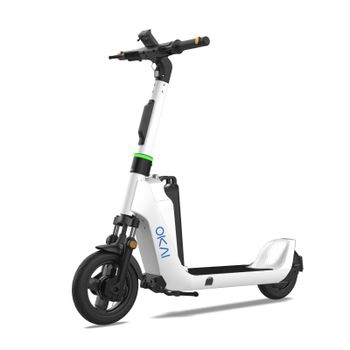
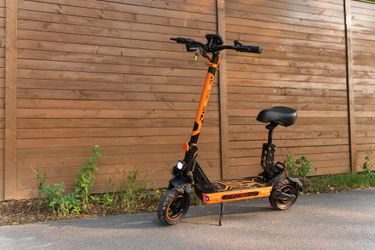
Models like the OKAI Seated Electric Scooter SA3 address this through a more robust frame structure and improved load distribution. From an engineering perspective, a seated design can also lower the center of gravity, helping enhance stability and rider control.
In practice, this results in reduced structural fatigue and more predictable performance over time—particularly in demanding urban environments.
Conclusion
Electric scooter frame design is not merely a structural detail—it is the foundation of rider safety. From material selection to joint integrity, every aspect of the frame influences how the scooter performs under real-world conditions.
While performance metrics such as speed and range are important, long-term safety depends on stability, durability, and engineering precision.
For businesses and fleet operators, working with experienced manufacturers like OKAI can help ensure higher safety standards through advanced frame engineering and rigorous testing processes.

Phone: 1-800-660-3498
Email:
nihao@okai.co
(for business)
b2bsupport@okai.co
(for tech support)
Copyright © 2023 OKAI all rights reserved.