
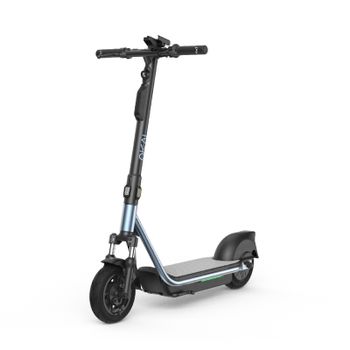

How to Troubleshoot and Repair Your E-Bike After Rain?
Electric bikes, or E-Bikes, are transforming urban mobility thanks to their eco-friendly design, convenience, and efficiency. But like any electronic device, they can face challenges when exposed to water. Light rain is usually harmless, but heavy rain, puddles, or poor storage can cause electrical or mechanical issues. If your electric bike gets soaked, knowing how to troubleshoot and repair it quickly can save you money and frustration.
This guide explains how to identify problems, fix them, and maintain your E-Bike after rain exposure—while also sharing preventative measures for the future.
Common Issues E-Bikes Face After Rain
Modern E-Bikes are built with some waterproofing, but consistent or heavy exposure to rain can cause issues. Common problems include:
- Battery Problems – Water inside the battery compartment can lead to reduced performance or even short-circuiting.
- Motor Malfunctions – Moisture may affect sensors or bearings, leading to unusual sounds or power loss.
- Display and Controller Issues – Wet screens or controllers may glitch or refuse to power on.
- Brake Inefficiency – Wet rims or discs reduce braking efficiency, which can be dangerous.
- Rust and Corrosion – Chains, gear systems, and connectors are vulnerable to rust.
Step 1: Prioritize Safety
After heavy rain exposure, never switch on your E-Bike immediately. Always:
- Turn off the bike.
- Disconnect and remove the battery.
- Move it indoors to dry before troubleshooting.
Step 2: Drying the E-Bike Properly
Thorough drying is essential before attempting repairs on your electric bike:
- Wipe down the frame and components with a dry cloth.
- Remove the battery and dry it in a cool, ventilated area (avoid direct sunlight).
- Check connectors and wiring harnesses for moisture, wiping carefully.
- Use compressed air or a fan to remove moisture from tight areas.
Even with a waterproof e-bike, it’s best to allow 24 hours of drying before use.
Step 3: Battery Troubleshooting
The battery is the heart of your electric bicycle. If it won’t power on after rain:
- Inspect the casing for cracks or damaged seals.
- Check the terminals for corrosion.
- Test the voltage output with a multimeter.
If water damage is severe, replacement is safer than repair. Proper e-bike maintenance includes routine battery inspections to prevent failure.
Step 4: Motor and Controller Checks
If your E-Bike powers on but doesn’t ride properly, the issue may be with the motor or controller:
- Listen for grinding, humming, or rattling noises in the motor.
- Check the controller for water damage or loose wiring.
- Inspect sensor wires for signs of moisture.
Professional servicing may be needed if water has entered the motor.
Step 5: Electrical Components and Display
The display and control system are particularly sensitive. If your electric bike display flickers or doesn’t respond:
- Remove and dry the display if possible.
- Check wiring between the handlebars and controller.
- Look for condensation inside the screen.
Silica gel packs or moisture absorbers can help remove hidden humidity.
Step 6: Mechanical Components
Even when electronics are fine, mechanical parts may need attention after rain exposure:
- Brakes – Clean discs or rims, test responsiveness.
- Chain and gears – Dry and apply lubricant to prevent rust.
- Suspension – Remove dirt and apply fresh grease.
These steps ensure smoother rides and extend the life of your E-Bike.
Step 7: Preventative Maintenance
Future-proof your e-bike maintenance with these simple habits:
- Install fenders and mudguards.
- Store your electric bike indoors or under a waterproof cover.
- Apply water-resistant grease to connectors.
- Inspect and clean the bike after wet rides.
Investing in a waterproof e-bike helps avoid frequent repairs.
Choosing a Reliable E-Bike Matters
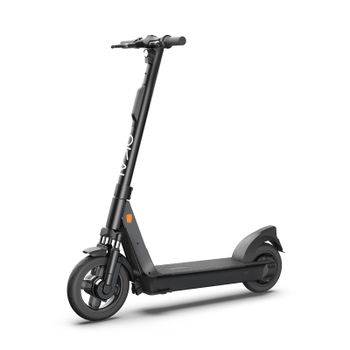
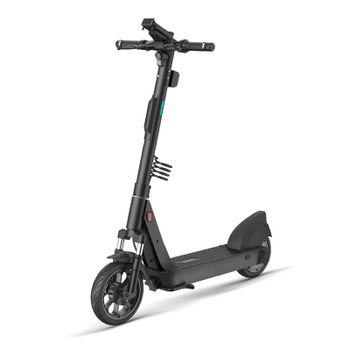
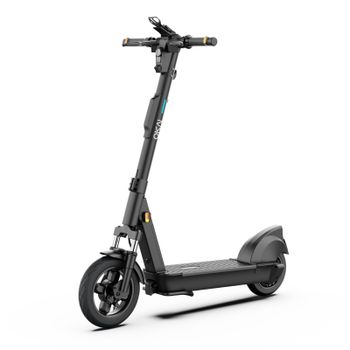
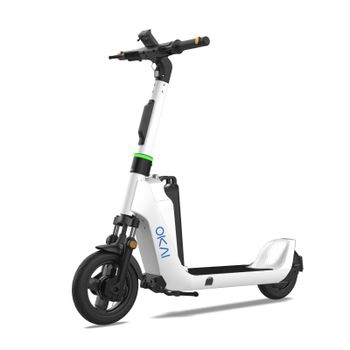
One of the best ways to minimize repair needs is to begin with an electric bike designed for real-world conditions. That’s where OKAI makes a difference. Our e-bikes are engineered with weather-resistant components, smart systems, and sturdy frames that make them more resilient to rain exposure. For both fleet operators and everyday riders, this means fewer worries about water damage and smoother long-term performance. With OKAI, you’re choosing an e-bike built for safety, innovation, and reliability—rain or shine.
Final Thoughts
Riding your E-Bike after rain doesn’t have to mean expensive repairs. By drying it thoroughly, checking the battery, inspecting electrical connections, and maintaining mechanical parts, you can restore performance quickly.
Regular electric bike maintenance, paired with preventative steps like waterproof accessories and protective storage, will keep your rides smooth. And when you start with a trusted brand like OKAI, you gain the confidence that your E-Bike is built for durability in all weather conditions.
If you have any questions about maintaining your E-Bike or want to explore durable, weather-resistant models, don’t hesitate to reach out. Contact us today for expert advice, product information, or support—our team is here to help you enjoy a safe and reliable ride, rain or shine!

Phone: 1-800-660-3498
Email:
nihao@okai.co
(for business)
b2bsupport@okai.co
(for tech support)
Copyright © 2023 OKAI all rights reserved.