
What’s Next for the eBike Industry? Trends and Innovations to Watch Out For
The eBike industry is experiencing rapid growth, with more consumers opting for electric bicycles as a sustainable and convenient mode of transportation. As cities become more congested and environmental concerns continue to rise, eBikes are emerging as an attractive alternative to traditional cars and public transport. However, the eBike industry is far from stagnant. With ongoing advancements in technology, design, and sustainability, the future of electric bikes looks incredibly promising. Let’s dive into the trends and innovations that are set to define the eBike industry in the coming years.
Battery Innovations: The Heart of the eBike Revolution
One of the most significant developments in the eBike industry is the continuous improvement in battery technology. Historically, the primary concern for eBike users has been the range and longevity of the batteries. However, advancements in lithium-ion batteries, solid-state technology, and energy density are set to address these concerns.
Batteries are becoming lighter, more efficient, and longer-lasting. Manufacturers are exploring new materials like graphene and solid-state batteries that offer greater energy storage in smaller, more compact packages. These innovations will not only increase the eBike’s range but also reduce the weight of the bike, making them easier to ride and handle. For riders who frequently commute long distances or use their eBike for business purposes, longer-lasting batteries will be a game-changer. Long-range eBikes are already hitting the market, allowing riders to travel over 100 miles on a single charge.
Additionally, fast-charging technologies are improving, meaning less time waiting for your bike to recharge. These innovations will likely make eBikes more practical and appealing to a broader range of consumers.
The Smart eBike Revolution: IoT and Connectivity
As the world becomes more interconnected, the eBike industry is embracing the Internet of Things (IoT) to enhance the user experience. Smart eBikes are taking the market by storm, offering riders a range of connected features that make cycling easier, safer, and more enjoyable.
Smart technologies in eBikes allow for real-time tracking, route optimization, and performance analysis. Through mobile apps, riders can track their ride data, including speed, distance, calories burned, and battery life. Some advanced smart eBikes even come equipped with GPS tracking, making it easier for owners to locate their bikes if they are lost or stolen.
Beyond tracking and data collection, some smart eBikes can automatically adjust motor power depending on terrain, optimizing energy consumption and providing a smoother ride. These smart features are making eBikes more user-friendly and adaptable to various cycling needs.
Moreover, integration with other smart devices like fitness trackers, smart helmets, and even wearable technology will make the eBike industry more connected and customizable. Smart eBikes are quickly becoming a popular choice for both recreational cyclists and daily commuters.
Urban Mobility and eBike Adoption for Commuting
As cities around the world struggle with traffic congestion and pollution, more urban dwellers are turning to eBikes as a practical solution for short-distance commuting. The eBike industry has benefited significantly from the growing trend of urban mobility, which emphasizes sustainability, speed, and flexibility.
eBikes offer commuters a quicker, more affordable alternative to cars and public transport, particularly for short to medium distances. With no need for parking and the ability to navigate through traffic, eBikes provide a much faster and more efficient way to get around. The rise of eBikes in urban areas has prompted many cities to invest in cycling infrastructure, such as dedicated bike lanes and charging stations, further encouraging adoption.
Governments are also offering incentives and subsidies for electric bikes, which makes them more accessible to a wider range of people. As this trend continues, we expect to see a significant increase in eBike adoption for commuting, especially as the cost of eBikes continues to fall and their availability increases.
The Growth of eBike Sharing Programs
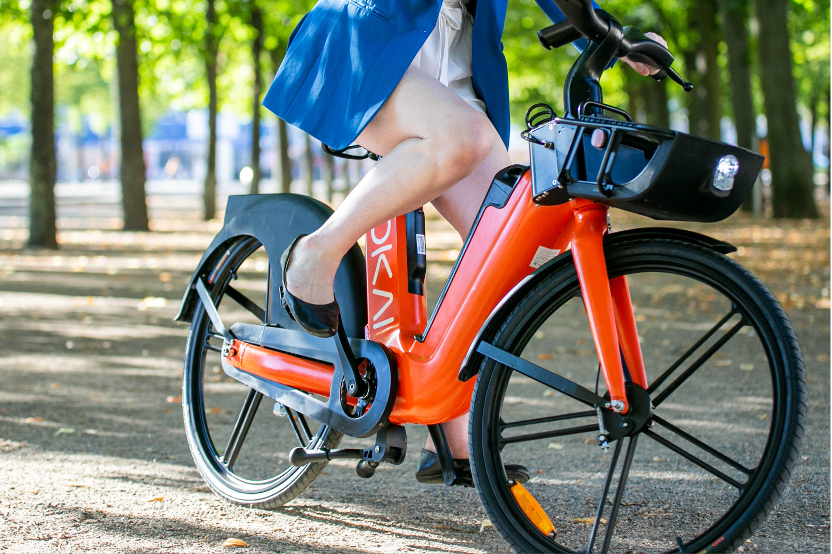
Alongside the rise of personal eBikes, shared electric bike programs are also gaining momentum. Cities like New York, London, and Berlin are seeing the emergence of eBike-sharing programs that allow users to rent electric bikes for short periods. This trend is expected to grow, especially as cities prioritize eco-friendly transportation solutions.
eBike-sharing programs offer a cost-effective alternative for people who may not want to invest in an eBike for personal use. They provide an easy way to access electric bikes for short trips, reducing the number of cars on the road and promoting healthier lifestyles.
Moreover, companies involved in eBike-sharing are continuously improving their infrastructure. Charging stations, bike availability, and maintenance services are expanding, ensuring that users can rely on these services for their daily transportation needs. This increased accessibility will only further boost the eBike industry, making electric bikes a common sight in cities worldwide.
Sustainable and Eco-Friendly Innovations
As concerns about climate change continue to grow, the eBike industry is increasingly focusing on sustainability. eBikes, by their very nature, are a more eco-friendly alternative to traditional vehicles. However, manufacturers are looking for additional ways to reduce their environmental impact.
In terms of materials, companies are now prioritizing recyclable and sustainable materials, including aluminum, carbon fiber, and eco-friendly plastics. eBike manufacturers are also exploring ways to reduce the carbon footprint of their production processes, ensuring that the entire lifecycle of the bike— from manufacturing to disposal—is as green as possible.
Another innovation in the eBike industry is the development of battery recycling programs. As more eBikes hit the road, the need for proper battery disposal and recycling becomes increasingly important. Companies are developing systems to recycle old batteries, reducing environmental waste and promoting a circular economy.
Specialized eBikes for Every Need
The eBike industry is also diversifying, with specialized eBikes catering to different types of riders. While urban commuters remain the largest market segment, niche eBike categories are emerging to meet the needs of specific users.
Electric mountain bikes (eMTBs) are growing in popularity among outdoor enthusiasts, offering riders the power to tackle difficult terrains and steep hills with ease. These bikes feature rugged frames, high-performance suspension systems, and powerful motors, making them perfect for off-road adventures.
Similarly, eCargo bikes are becoming increasingly popular for businesses that need to transport goods within cities. With larger frames and extended cargo space, eCargo eBikes offer a sustainable alternative to delivery vans and trucks, reducing congestion and emissions in urban areas.
Conclusion
The eBike industry is on the verge of tremendous growth. With innovations in battery technology, smart features, and eco-friendly practices, electric bikes are becoming more accessible, efficient, and sustainable than ever before. As urban mobility continues to evolve, eBikes are set to play a significant role in transforming transportation, from personal commutes to urban logistics.
Whether you're a city commuter, an outdoor enthusiast, or a business looking to incorporate eCargo bikes, the future of the eBike industry is bright. With continued advancements in technology and growing consumer demand, the eBike industry is poised to lead the way toward a cleaner, greener future.
Read more: Why Are Electric Bikes Bursting?

Phone: 1-800-660-3498
Email:
nihao@okai.co
(for business)
b2bsupport@okai.co
(for tech support)
Copyright © 2023 OKAI all rights reserved.