
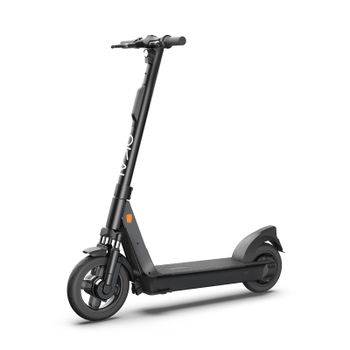
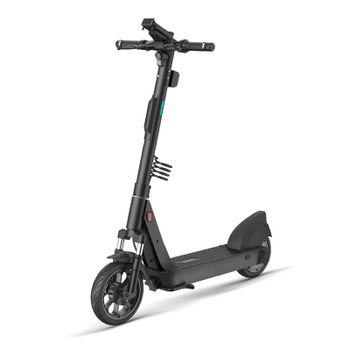
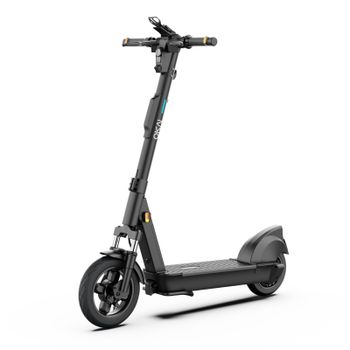
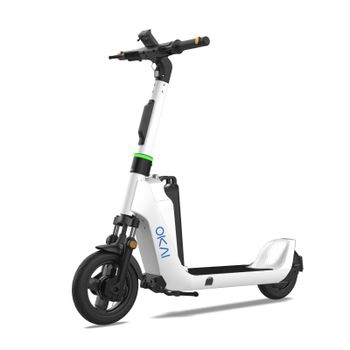
What to Look for in a Commercial Electric Scooter Supplier
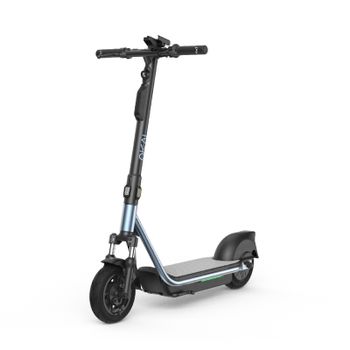
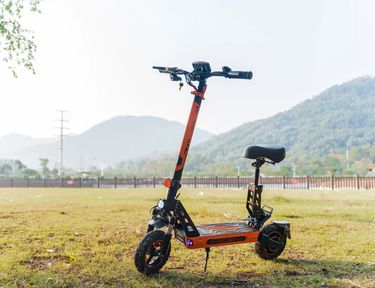
Commercial electric scooters are becoming a core part of shared mobility, delivery services, and urban transportation systems. For fleet operators, distributors, and city mobility programs, choosing the right commercial electric scooter supplier is critical for long-term operational success.
A reliable supplier should offer more than vehicles. Businesses today need fleet-ready engineering, IoT connectivity, customization support, regulatory compliance, and scalable manufacturing capabilities. This guide explains the key factors businesses should evaluate when selecting a commercial electric scooter manufacturer or fleet mobility partner.
Why Choosing the Right Commercial Electric Scooter Supplier Matters
Commercial electric scooters operate in much more demanding environments than consumer models. Shared mobility fleets and delivery operations require vehicles that support:
- Continuous daily riding
- Real-time fleet monitoring
- Outdoor operation
- Long lifecycle performance
- Remote diagnostics
- Scalable deployment
Choosing the wrong supplier can lead to higher maintenance costs, operational downtime, and poor fleet reliability. An experienced commercial mobility provider helps businesses improve fleet uptime, operational efficiency, and long-term total cost of ownership.
Choose an Electric Mobility Manufacturer With Fleet Experience
Not all electric scooter manufacturers specialize in commercial fleet operations. An experienced electric mobility manufacturer should understand the challenges faced by:
- Shared mobility companies
- Delivery fleets
- City transportation operators
- Corporate mobility programs
Fleet-ready scooters are typically designed with stronger frame structures, commercial-grade components, and smart fleet management capabilities. Before selecting a supplier, businesses should evaluate:
- Fleet deployment experience
- Commercial vehicle durability
- International operational support
- Understanding of local mobility regulations
Suppliers with real-world fleet experience are usually better prepared for long-term mobility partnerships.
Evaluate IoT Fleet Management and Smart Connectivity
IoT technology is now essential for modern commercial mobility operations. A commercial scooter supplier should support features such as:
- GPS positioning
- Remote locking and unlocking
- Battery monitoring
- OTA updates
- Geofencing
- Real-time fleet tracking
These tools help operators improve vehicle utilization, reduce theft risks, and manage large fleets more efficiently.
Global SIM Connectivity for Fleet Deployment
Commercial fleets operating across multiple regions often require reliable global connectivity. Integrated IoT SIM card systems allow operators to manage vehicle location, battery data, and fleet communication in real time. For shared mobility businesses, smart connectivity is becoming a standard operational requirement.
Look for Durable Commercial E-Scooter Design
Commercial fleets place significantly more stress on electric scooters than personal riders. Durability should be one of the highest priorities when choosing a supplier.
Battery Lifecycle and Fleet Reliability
Battery systems directly affect fleet uptime and operational costs. Businesses should evaluate:
- Battery lifespan
- Charging efficiency
- Thermal management
- Safety performance
Reliable battery systems help reduce replacement frequency and maintenance expenses.
Rider Safety and Weather Resistance
Commercial scooters should include dependable braking systems, anti-slip tires, and weather-resistant designs suitable for urban mobility operations. Safety-focused engineering helps improve rider confidence and reduce operational risks.
Choose a Fleet Technology Supplier With OEM and ODM Capabilities
Customization is often essential for distributors, fleet operators, and mobility brands. An experienced fleet technology supplier should support OEM and ODM services such as:
- CMF customization
- Packaging customization
- Branding options
- Accessory configuration
- Fleet-specific modifications
Customization allows businesses to create mobility solutions tailored to operational requirements and local markets.
Verify Compliance Standards for US and European Markets
Commercial mobility regulations vary across regions such as the United States and Germany. Businesses should confirm whether suppliers support certifications including:
- UL
- CE
- FCC
- RoHS
Compliance support is especially important for shared mobility operators and public transportation projects. Working with a supplier familiar with international regulations can help reduce deployment delays and operational risks.
Choose a Commercial Mobility Provider With Reliable Global Support
Long-term technical support is critical for commercial fleet operations. A reliable commercial mobility provider should offer:
- Spare parts support
- Warranty services
- Technical troubleshooting
- Fleet engineering assistance
- International logistics coordination
Strong after-sales support helps businesses reduce downtime and maintain stable fleet operations.
Final Thoughts
Choosing the right commercial electric scooter supplier is about more than purchasing vehicles. The best electric mobility partners provide fleet-ready engineering, IoT fleet management, OEM and ODM customization, compliance support, and scalable manufacturing capabilities.
For shared mobility companies, delivery fleets, distributors, and urban transportation operators, selecting the right commercial mobility partner can significantly improve operational efficiency, fleet reliability, and long-term business growth.
To learn more about commercial electric scooters, fleet solutions, and OEM mobility manufacturing, visit OKAI’s official B2B mobility platform.
Also read: What Is the Ideal Rider Weight for a Shared Electric Scooter? (Fleet Perspective)

Phone: 1-800-660-3498
Email:
nihao@okai.co
(for business)
b2bsupport@okai.co
(for tech support)
Copyright © 2023 OKAI all rights reserved.