
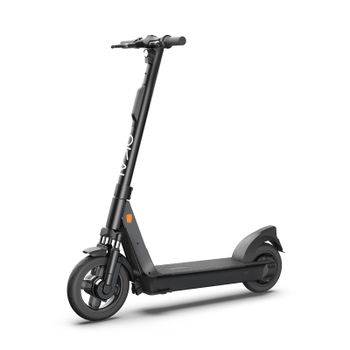
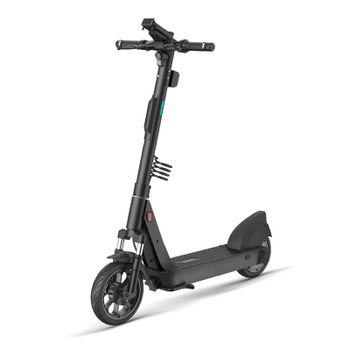
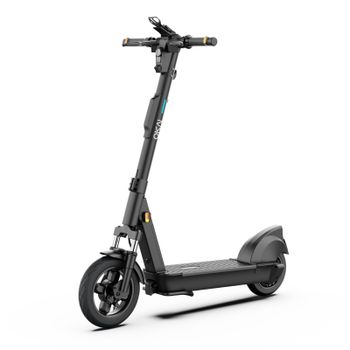
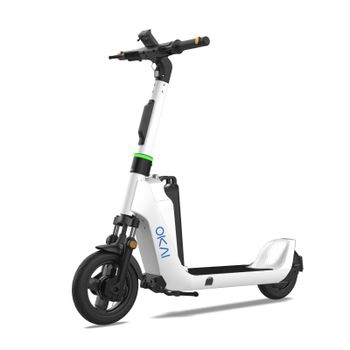
Why Seated E-Scooters Are the Next Urban Mobility Trend
Urban mobility is entering a new phase. Over the past decade, shared micromobility has transformed how people move through cities. Standing electric scooters helped popularize convenient short-distance transportation, while e-bikes expanded the possibilities for urban commuting. But as cities, operators, and riders continue to evolve, the industry is beginning to move toward a new direction: mobility solutions that are more comfortable, more stable, and more inclusive.
One category rapidly gaining attention is the seated e-scooter.
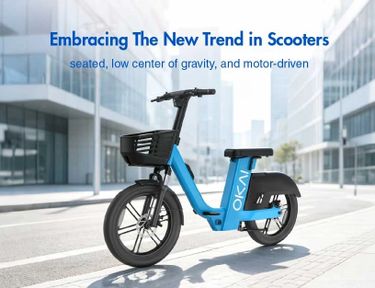
Combining seated ergonomics, low center of gravity design, and motor-driven convenience, seated e-scooters are emerging as a new trend in shared mobility and urban transportation. They are helping riders feel more confident, enabling longer trips, and supporting safer daily commuting experiences.
As micromobility continues maturing, seated urban vehicles are becoming more than just an alternative format — they are shaping the future of rider-friendly transportation.
Quick Answer: Why Are Seated E-Scooters Becoming Popular?
Seated e-scooters are becoming a growing urban mobility trend because they offer greater comfort, stability, and accessibility than traditional standing scooters. For commuters, older riders, and shared mobility users, seated electric scooters can reduce fatigue, improve rider confidence, and support longer trips, making them increasingly attractive for modern city transportation.
Why Seated E-Scooters Are Emerging as a New Urban Mobility Trend
The global shared mobility industry is shifting from “light recreational mobility” toward more practical daily transportation solutions. In the early stages of micromobility, portability and novelty were major priorities. Today, cities and riders are focusing more on stability, comfort, accessibility, and operational sustainability. This shift is driving growing interest in seated e-scooters.
Unlike traditional standing scooters, seated mobility vehicles are designed to reduce rider fatigue and improve confidence during everyday urban travel. They also help address one of the biggest barriers in shared mobility adoption: balance anxiety.
For many users, especially new riders or commuters traveling longer distances, seated riding feels more natural and approachable. At the same time, operators are seeking vehicle formats that encourage higher ride frequency, longer trip durations, and broader demographic adoption. Cities are also evaluating mobility solutions through the lens of safety, inclusiveness, and urban compatibility.
Together, these changes are accelerating the rise of low-center-of-gravity seated mobility across the micromobility industry.
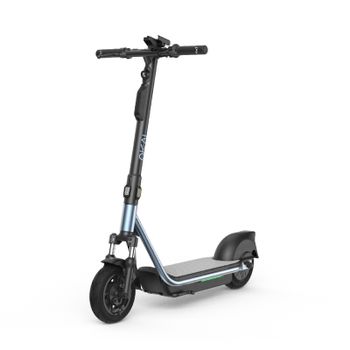
Seated E-Scooters vs Standing E-Scooters: What's the Difference?
| Feature | Seated E-Scooter | Standing E-Scooter |
|---|---|---|
| Rider Comfort | High | Medium |
| Stability | High | Medium |
| Long Distance Commuting | Better | Moderate |
| Rider Fatigue | Lower | Higher |
| Storage Convenience | Moderate | High |
| Shared Mobility Use | Growing | Established |
While standing scooters remain popular for short trips, seated electric scooters are becoming a preferred choice for riders who value comfort and stability during longer commutes.
What Defines a Modern Seated E-Scooter?
Modern seated e-scooters are no longer simply standing scooters with an added seat. The category has evolved into a distinct urban mobility solution with its own design philosophy and rider experience.
- Seated Riding Position and Rider Comfort
- Low-Center-of-Gravity Design
- Motor-Driven Urban Mobility
A defining characteristic is the seated riding posture, which reduces physical strain and allows riders to remain comfortable during longer trips. Combined with a low-center-of-gravity vehicle architecture, seated e-scooters often provide improved balance, greater confidence during stop-and-go traffic, and easier mounting and dismounting.
Many modern designs also emphasize throttle-driven convenience, creating an effortless riding experience that aligns well with daily commuting and shared mobility use cases.
Together, these characteristics create a mobility solution that prioritizes rider comfort, stability, and accessibility.
Why Riders Prefer Low-Center-of-Gravity Seated E-Scooters
Improved Stability and Rider Confidence
One of the biggest advantages of seated e-scooters is the improved sense of stability they provide. The combination of a seated posture and lower center of gravity helps riders feel more balanced and in control, particularly in busy urban environments.
This can be especially valuable for first-time riders, who may find traditional standing scooters intimidating.
Better Comfort for Longer Urban Trips
As micromobility increasingly supports commuting and utility trips, rider comfort has become more important than ever.
Seated e-scooters reduce physical fatigue by allowing riders to maintain a relaxed posture throughout the journey. This makes them particularly well-suited for medium-distance urban travel and daily commuting.
More Inclusive Urban Mobility Experience
Accessibility is becoming a growing priority in transportation planning. Because seated e-scooters lower the physical demands of riding, they can appeal to a wider range of users, including older adults, casual commuters, and riders who may not feel comfortable using traditional standing scooters. This broader accessibility can help expand overall micromobility adoption.
The Industry Data Behind the Growth of Seated E-Scooters
The growth of seated e-scooters is already being validated by leading shared mobility operators worldwide. Recent public industry data from North American shared mobility programs shows strong adoption trends after the introduction of seated low-center-of-gravity vehicles.
According to publicly available reports:
- Shared mobility ridership in some cities increased by more than 60% year-over-year after seated vehicle deployment
- Certain urban mobility programs recorded nearly 10 million annual trips
- Newly introduced seated vehicles quickly accumulated more than 1 million rides after launch
- Riders frequently used seated e-scooters for trips longer than 5 km
- Average ride durations often exceeded 15 minutes
These figures suggest that seated mobility is helping expand micromobility beyond traditional first-mile and last-mile use cases.
Instead of serving only short trips, seated e-scooters are increasingly supporting commuting, medium-distance transportation, and more frequent daily usage.
Why Operators Are Expanding Mixed Fleets
Shared mobility operators are also recognizing the operational advantages of mixed fleets that include seated mobility devices. By offering multiple riding formats, operators can better serve diverse rider needs while improving accessibility and user retention. As urban transportation continues evolving, seated shared vehicles are increasingly becoming part of long-term fleet strategies.
Why Cities Are Supporting Safer Shared Mobility Solutions
Cities are becoming more focused on balancing transportation innovation with safety, accessibility, and urban manageability. This is creating stronger momentum for low-center-of-gravity mobility solutions.
Safety Is Becoming a Priority in Urban Mobility
Safety is now one of the most important topics in the future of micromobility.
According to a recent industry rider survey, seated mobility vehicles experience 62% fewer incidents compared to standing scooters. This growing focus on safer and more stable vehicle formats is becoming an important factor in how cities evaluate shared mobility programs.
The combination of seated ergonomics and improved vehicle stability can help create a more controlled riding experience in dense urban environments.
Mixed Fleets Are Becoming More Common
Many cities are now encouraging operators to deploy mixed fleets that include different types of mobility devices. Instead of simply increasing the number of vehicles on the road, regulators are increasingly prioritizing transportation systems that can serve a wider range of rider needs safely and efficiently.
This trend is helping create new opportunities for seated mobility within shared transportation programs.
Regulations Are Evolving for Seated Mobility Devices
Regulatory frameworks are also beginning to evolve alongside vehicle innovation. In the UK, government guidance for rental e-scooter trials has started allowing seated variants within certain trial frameworks, reflecting broader openness toward alternative micromobility formats.
These regulatory developments suggest that cities and policymakers are becoming more receptive to safer and more inclusive mobility solutions.
Design Trends Shaping the Next Generation of Seated E-Scooters
Several product trends are driving the evolution of seated mobility vehicles.
Larger Tires for Enhanced Stability
Larger wheels and wider tires help improve comfort, absorb road vibrations, and increase stability on uneven urban surfaces.
Step-Through Frames for Better Accessibility
Step-through designs make vehicles easier to mount and operate, helping accommodate a broader range of riders.
Comfort-Oriented Urban Design
Manufacturers are increasingly focusing on ergonomic seating, optimized riding posture, cargo-carrying functionality, and rider-friendly layouts that support everyday transportation needs.
These design trends reflect a broader shift toward practical, commuter-focused mobility solutions.
The Future of Shared Micromobility
The rise of seated e-scooters reflects a much larger transformation happening across urban transportation.
The future of micromobility is becoming:
- More inclusive
- More comfort-oriented
- More stability-focused
- More accessible
- Better suited for daily transportation
As riders increasingly rely on shared mobility for commuting and everyday urban travel, vehicle expectations are changing rapidly. Cities are seeking safer mobility ecosystems. Operators are looking for higher rider retention and broader user adoption. Riders themselves want transportation solutions that feel more natural, practical, and reliable.
Low center of gravity seated mobility is emerging at the center of this evolution. Rather than replacing existing micromobility formats, seated e-scooters are helping expand the possibilities of urban transportation itself.
Looking Ahead
At OKAI, we continue to closely follow the evolution of urban mobility and the changing needs of cities, operators, and riders.
The growing popularity of seated e-scooters reflects a broader industry shift toward safer, more inclusive, and more comfortable transportation solutions. As shared mobility networks continue to expand, low-center-of-gravity vehicle designs are expected to play an increasingly important role in helping cities deliver efficient and rider-friendly transportation systems.
By combining stability, accessibility, and operational practicality, seated e-scooters are helping redefine what urban mobility can look like in the years ahead.
Frequently Asked Questions About Seated E-Scooters
Are seated e-scooters safer than standing scooters?
Seated e-scooters generally provide better stability and reduce rider fatigue, especially during longer trips. However, safety also depends on rider behavior, vehicle design, maintenance, and local regulations.
Why are seated electric scooters becoming more popular?
Many riders prefer seated electric scooters because they offer greater comfort, confidence, and accessibility for daily commuting and urban transportation.
Are seated e-scooters good for commuting?
Yes. Seated electric scooters are particularly suitable for medium-distance commuting because they help reduce fatigue and provide a more relaxed riding posture.
Will seated e-scooters become more common in shared mobility?
Industry trends suggest that seated mobility formats will continue growing as cities and operators seek transportation solutions that improve accessibility, rider comfort, and overall system adoption.
What are the main advantages of a low center of gravity e-scooter?
A low center of gravity design can improve balance, rider confidence, stability during stops and turns, and overall comfort, making the vehicle easier to operate in urban environments.

Phone: 1-800-660-3498
Email:
nihao@okai.co
(for business)
b2bsupport@okai.co
(for tech support)
Copyright © 2023 OKAI all rights reserved.