
Electric Scooter Tire Maintenance: How to Extend Tire Life and Reduce Fleet Downtime
For shared mobility operators, electric scooter tire maintenance is a practical way to protect vehicle availability and control fleet operating costs. Tires are exposed to daily mileage, braking, curbs, potholes, weather, and repeated rider use, so small problems can quickly become service interruptions.
There is no universal answer to how long do electric scooter tires last. Tire life depends on mileage, load, pressure, road conditions, tire construction, and maintenance practices. A better approach is to monitor tire condition continuously and replace tires according to their actual condition and the manufacturer's requirements.
Why Tire Maintenance Matters for Electric Scooter Fleets
How Tire Wear Affects Fleet Availability
A worn or damaged tire can take a scooter out of service even when its battery and electrical systems are functioning normally. In a shared fleet, repeated tire-related failures can therefore reduce the number of vehicles available for riders and increase technician workload.
Regular scooter tire inspection helps operators identify pressure loss, uneven tread wear, cuts, punctures, and sidewall damage before these problems become more serious. General tire-safety guidance from NHTSA also recommends routine inspection of pressure, tread, and sidewalls rather than waiting for visible failure.
The Cost of Delaying Tire Maintenance
Delayed electric scooter tire maintenance can turn a relatively simple service task into unplanned downtime. A scooter may need to be collected, transported, inspected, repaired, and returned to operation, adding labor and logistical costs.
Fleet operators should therefore treat tire maintenance as part of preventive electric scooter fleet maintenance, rather than as a repair task that begins only after a rider reports a problem. Fleet tire-management guidance from Michelin similarly emphasizes proactive inspections because tire issues can lead to maintenance workload, route disruption, and unpredictable operating expenses.
What Causes Electric Scooter Tires to Wear Faster?
High Daily Mileage and Heavy Fleet Use
Shared scooters can accumulate substantially more mileage than privately owned vehicles. Frequent acceleration, braking, turning, and repeated short trips place continuous stress on the tread and wheel components.
This means an operator should not use a fixed calendar interval as the only basis for electric scooter tire maintenance. A scooter completing several times more trips than another vehicle may require more frequent inspections even if both entered service on the same date.
Incorrect Tire Pressure
Scooter tire pressure has a direct effect on how the tire contacts the road. Underinflation can increase deformation and rolling resistance, while overinflation can alter the contact area and handling characteristics.
Operators should use the pressure specified for the particular scooter and tire rather than applying a generic value. NHTSA similarly advises following the vehicle manufacturer's recommended pressure instead of simply using the maximum pressure marked on a tire.
Road Conditions and Riding Environment
Potholes, broken pavement, sharp debris, curbs, and rough surfaces can accelerate electric scooter tire wear or cause sudden damage. Wet conditions may also make tread condition more important because adequate tread contributes to traction.
Operators working in dense urban areas should pay particular attention to routes with poor pavement or frequent curb impacts. Tire inspection data can then help identify locations or operating patterns associated with repeated failures.
Overloading and Improper Use
Excessive loads can place additional stress on tires, wheels, suspension, and braking components. Aggressive acceleration, hard braking, sharp turns, and repeated curb impacts can also contribute to premature electric scooter tire wear.
Fleet operators should make sure the vehicle's intended load and operating limits are clear to users and maintenance teams. A tire problem that repeatedly occurs on the same vehicle may indicate a broader mechanical or usage issue rather than a tire-only problem.
How to Extend Electric Scooter Tire Life
Keep Tire Pressure Within the Recommended Range
Checking scooter tire pressure should be a routine maintenance task. Pressure should be measured with an appropriate gauge and compared with the manufacturer's specified range.
Pressure checks are particularly useful before high-utilization periods or after a scooter has been exposed to road impacts. Maintaining the correct pressure can help reduce irregular wear and preserve predictable handling. General fleet tire guidance also identifies proper inflation as an important part of tire life management.
Inspect Tread and Sidewalls Regularly
A scooter tire inspection should look beyond tread depth. Technicians should check for:
- Uneven or unusually rapid tread wear
- Cuts, punctures, cracks, or bulges
- Foreign objects embedded in the tire
- Exposed internal material
- Damage around the valve or sidewall
NHTSA recommends checking tires for cuts, bulges, cracks, and other damage, while tread-wear indicators can provide a useful replacement reference where applicable.
For electric scooters, however, operators should follow the tire and vehicle manufacturer's specifications rather than automatically applying passenger-car replacement thresholds.
Check Wheels, Brakes, and Alignment Together
Tire wear can sometimes be a symptom of another problem. A damaged wheel, loose component, braking issue, or misalignment may create abnormal loading and cause one area of the tire to wear faster than the rest.
For this reason, electric scooter tire maintenance should be combined with checks of the wheel assembly and brakes. Addressing the underlying cause can prevent a replacement tire from developing the same problem.
Adjust Maintenance Frequency to Fleet Usage
There is no single inspection schedule suitable for every fleet. A scooter used heavily in a high-mileage sharing program may require more frequent checks than a vehicle with relatively low utilization.
Operators can base inspection intervals on mileage, ride count, operating hours, route conditions, or previous tire problems. This usage-based approach makes electric scooter fleet maintenance more responsive to actual operating conditions.
Electric Scooter Tire Inspection Checklist for Fleet Operators
A standardized checklist helps technicians record tire condition consistently across a large fleet.
| Inspection Item | What to Check | Action |
| Pressure | Compare with recommended range | Adjust or investigate pressure loss |
| Tread | Uneven wear, low tread, visible damage | Monitor or replace as required |
| Sidewall | Cuts, cracks, bulges, abrasions | Remove from service if unsafe |
| Wheel | Deformation, looseness, abnormal movement | Inspect and repair |
| Brake | Pad condition and braking performance | Service if needed |
| Replacement Status | Wear history and previous repairs | Schedule replacement when required |
Digital records can make this process more useful. Instead of recording only whether a tire passed inspection, operators can track mileage, replacement dates, recurring damage, and the reason for each tire replacement.
When Should You Replace an Electric Scooter Tire?
Signs of Excessive Tire Wear
An electric scooter tire replacement may be necessary when the tread has reached the manufacturer's replacement limit or when the tire shows damage that compromises safe operation.
Common warning signs include severe tread wear, exposed internal material, deep cuts, bulges, repeated punctures, significant cracking, or abnormal wear concentrated on one area. For general road-vehicle guidance, NHTSA identifies 2/32 inch (1.6 mm) as a replacement threshold for vehicle tires, but scooter operators should follow the specifications applicable to their particular tire and vehicle.
Repair vs. Tire Replacement
Not every tire problem requires immediate replacement, but the decision should be based on the location and severity of the damage, tire construction, manufacturer guidance, and applicable safety requirements.
A minor issue that is repairable under the manufacturer's procedures may be handled through service. Structural damage, severe sidewall damage, excessive wear, or repeated failures generally require electric scooter tire replacement rather than repeated temporary repairs.
How to Prevent Tire Issues From Causing Fleet Downtime
The best way to reduce fleet downtime is to identify tires approaching the end of their service life before they fail during operation.
Operators can maintain a small inventory of approved replacement tires, group tire servicing with scheduled vehicle inspections, and flag vehicles with recurring tire problems. This turns tire replacement into a planned maintenance activity instead of an emergency response.
How Fleet Operators Can Build a More Efficient Tire Maintenance Routine
Set Inspection Intervals Based on Vehicle Usage
Start with the manufacturer's recommended maintenance schedule, then adjust inspection frequency according to actual fleet usage. High-mileage vehicles, scooters operating on rough routes, and vehicles with repeated tire issues may need additional inspections.
Track Recurring Tire Problems Across the Fleet
Maintenance records can reveal patterns that are difficult to identify from individual repairs. For example, repeated rear-tire damage on one route may indicate road conditions, while recurring uneven wear on a vehicle may point to a wheel or brake problem.
Tracking these patterns can make electric scooter tire maintenance more predictive and help operators prioritize vehicles that require attention.
Combine Tire Maintenance With Routine Fleet Inspections
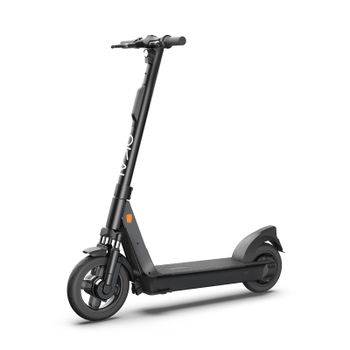
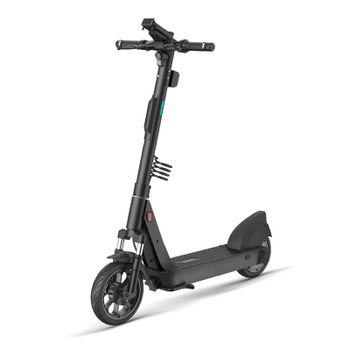
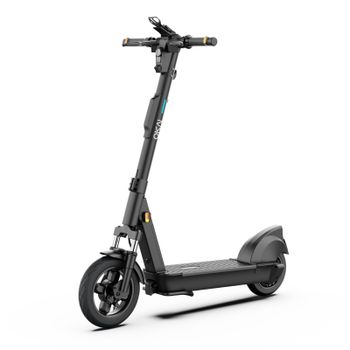
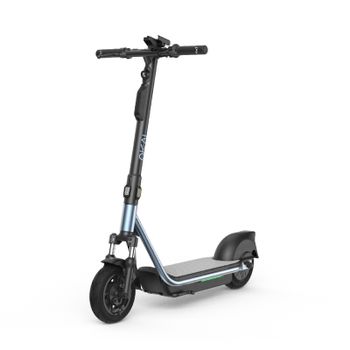
Tire checks are more efficient when performed alongside brake, wheel, steering, battery, and other routine inspections. OKAI's shared electric scooter range is designed for fleet applications, with models such as the ES400A using reinforced construction intended for the demands of shared operations.
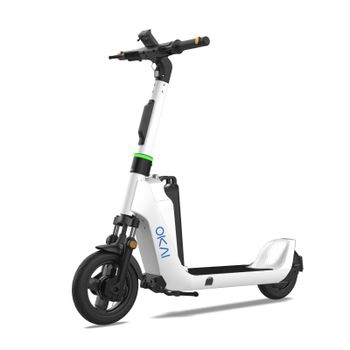
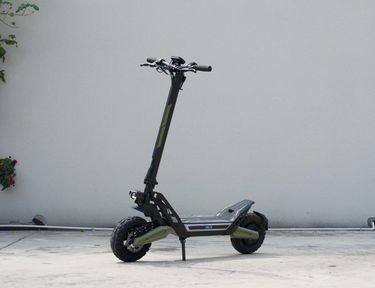
For fleets operating in wet or demanding urban environments, model selection should also consider the vehicle's intended operating conditions and relevant protection features. The ES600P, for example, is positioned by OKAI as a fleet-oriented scooter with a low center of gravity and features designed around stable operation.
FAQ
How long do electric scooter tires last?
There is no universal service-life figure. Electric scooter tire life depends on mileage, tire construction, rider load, pressure, road conditions, braking habits, and maintenance. Fleet operators should use condition and usage data rather than relying on a fixed number of months.
How often should I perform a scooter tire inspection?
The appropriate interval depends on fleet utilization and manufacturer recommendations. High-use shared scooters may need more frequent inspections than low-mileage vehicles. Operators should also inspect tires after significant impacts or when abnormal handling is reported.
What is the correct scooter tire pressure?
The correct scooter tire pressure should come from the scooter or tire manufacturer's specifications. Avoid using a generic pressure value simply because it is commonly used for another scooter model.
When is electric scooter tire replacement necessary?
Electric scooter tire replacement is generally required when the tire reaches its specified wear limit, develops serious structural damage, or can no longer be safely repaired according to manufacturer guidance.
Can regular tire maintenance really reduce fleet downtime?
Yes. Preventive electric scooter tire maintenance can identify pressure loss, abnormal wear, and damage before they cause an in-service failure. Combining inspections with scheduled shared electric scooter maintenance makes tire issues easier to plan and can help reduce unexpected fleet downtime.
Conclusion
Regular electric scooter tire maintenance helps fleet operators identify wear early, reduce unexpected repairs, and keep more vehicles available for service. By combining routine inspections, proper tire pressure, usage-based maintenance, and timely electric scooter tire replacement, operators can extend electric scooter tire life while controlling fleet downtime. For shared mobility fleets looking for commercial scooters built for demanding daily use, OKAI offers fleet-oriented electric scooter models designed to support long-term operations.

Phone: 1-800-660-3498
Email:
nihao@okai.co
(for business)
b2bsupport@okai.co
(for tech support)
Copyright © 2023 OKAI all rights reserved.