
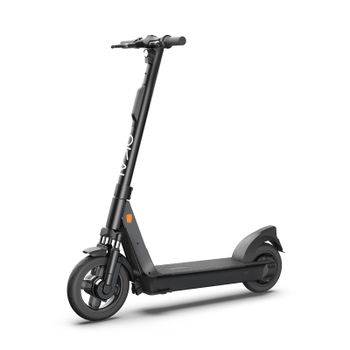
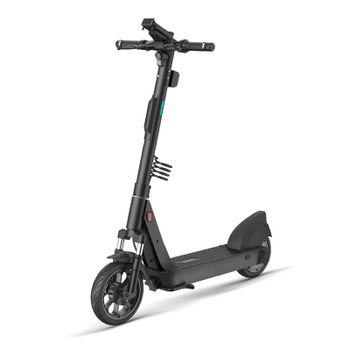
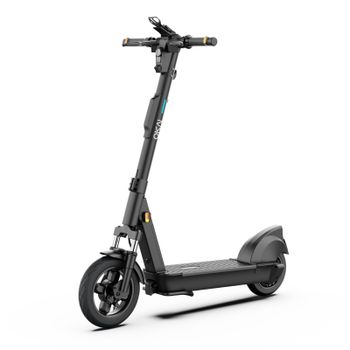
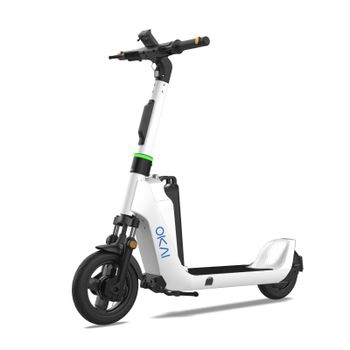
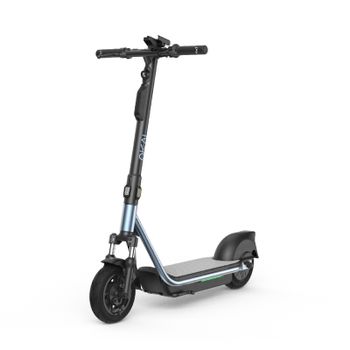
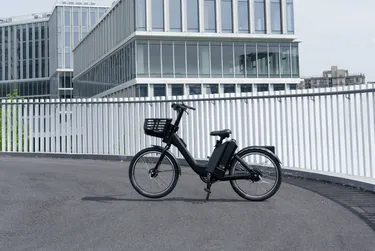
Shared electric bikes are becoming an important part of modern shared mobility, helping cities, campuses, businesses, and mobility operators provide convenient transportation without requiring every rider to own a vehicle.
Unlike a personal e-bike, a shared e-bike is designed to operate as part of a larger mobility system. The vehicle, battery, connectivity, charging process, fleet management, and maintenance strategy all work together to support frequent use and reliable vehicle availability.
This guide explains how shared e-bike systems work, where they are used, and what makes an electric bike suitable for commercial fleet operations.
What Are Shared Electric Bikes?
A shared electric bike is an e-bike that is provided through a shared mobility, rental, or fleet-based transportation service. Instead of owning the vehicle, users access an available bike when they need it, typically through a mobile application or another access system.
A typical shared e-bike system may include:
- Electric bikes and battery systems
- IoT or connectivity hardware
- GPS or vehicle location technology
- Mobile applications or access systems
- Fleet management software
- Charging infrastructure
- Maintenance and spare-parts support
This system-based approach is what distinguishes a shared e-bike from a conventional consumer electric bicycle.
How Does an Electric Bike Sharing System Work?
An electric bike sharing service generally follows a simple operational cycle:
- Vehicle deployment: The operator places e-bikes in designated service areas.
- Rider access: Users locate and unlock an available bike through the service platform.
- Trip: The rider uses the e-bike for commuting, delivery, tourism, or another transportation need.
- Return: The vehicle is returned according to the operator's service rules.
- Fleet monitoring: Operators monitor vehicle location, battery status, usage, and operational conditions.
- Charging and maintenance: Vehicles are recharged, inspected, and serviced before returning to operation.
For larger fleets, the goal is not simply to keep individual bikes working. Operators need a repeatable system that keeps vehicles available, manageable, and serviceable as the fleet grows.
Where Are Shared E-Bikes Used?
Shared mobility programs can support different transportation and business models. Common applications include:
- Urban transportation: First- and last-mile connections can complement public transportation.
- Campus mobility: Universities and large campuses can use shared bikes for convenient short-distance transportation.
- Hospitality and tourism: Hotels, resorts, and tourism operators can provide e-bikes for local transportation and guest experiences.
- Delivery fleets: Businesses can deploy electric bike fleets for urban delivery operations.
- Bike rental: Rental companies can use connected e-bikes to simplify fleet access and management.
- Corporate mobility: Companies can provide shared transportation for employees across large sites or urban areas.
The appropriate vehicle configuration depends on the operating environment, rider requirements, expected utilization, and business model.
Shared E-Bike vs. Consumer E-Bike
A consumer e-bike is primarily designed around an individual owner's riding needs. A shared e-bike must consider the requirements of the entire fleet.
| Factor | Consumer E-Bike | Shared E-Bike |
|---|---|---|
| Primary use | Personal transportation | Shared mobility or commercial use |
| Usage pattern | Typically controlled by one owner | Multiple riders and frequent use |
| Connectivity | Optional depending on model | Often important for fleet management |
| Maintenance | Individual owner | Operator-managed |
| Serviceability | Personal convenience | Fleet uptime and efficient servicing |
| Customization | Usually limited | May include commercial or OEM requirements |
For this reason, choosing a shared electric bike is not simply a matter of comparing motor power or battery capacity. Operators need to consider the complete vehicle and operational system.
What Makes an Electric Bike Suitable for Shared Mobility?
A fleet-ready electric bike should be designed around the realities of commercial operation. Important considerations include:
Durability
Shared vehicles may experience more frequent use and a wider range of riding conditions than privately owned bikes. Robust construction and appropriately selected components can therefore be important for long-term fleet operation.
Battery and Energy Management
Battery availability directly affects vehicle availability. Operators should consider battery capacity, charging processes, battery management, and the requirements of their daily operating cycle.
For larger deployments, charging should be treated as part of fleet operations rather than an afterthought. Learn more about charging strategies for shared e-bike and e-scooter fleets.
Connectivity and Fleet Management
Connected vehicles can provide operators with useful information about location, usage, battery status, and fleet condition. This information can help businesses make better decisions about vehicle deployment, charging, and maintenance.
Serviceability
When a vehicle requires maintenance, the objective is to return it to service efficiently. Accessible components, replacement parts, technical documentation, and manufacturer support can therefore influence fleet uptime.
How Should Businesses Evaluate Shared Electric Bikes?
Before purchasing a fleet, operators should first define their operating requirements.
- Business model: sharing, rental, delivery, campus, hospitality, or corporate mobility
- Operating environment: urban streets, campuses, tourism areas, or mixed terrain
- Expected utilization: expected trips, operating hours, and fleet turnover
- Range requirements: daily travel distance and charging opportunities
- Maintenance: service process, replacement parts, and technical support
- Connectivity: GPS, IoT, software, and fleet management requirements
- Compliance: applicable regulations and certification requirements in the target market
For a detailed procurement framework, businesses can also review how to choose the right e-bike manufacturer for bulk orders.
The key is to evaluate the e-bike as part of a complete mobility solution rather than as an isolated product.
How Do Shared E-Bike Fleets Stay Operational?
Fleet performance depends on more than vehicle quality. Operators also need processes for charging, maintenance, spare parts, rider support, and fleet monitoring.
Preventive maintenance can help identify mechanical issues before they become larger operational problems. Battery monitoring can help operators understand charging requirements and vehicle availability. Connected fleet systems can provide additional visibility across the operation.
For example, businesses managing delivery fleets may need to consider drivetrain reliability, rider workload, battery availability, and daily utilization. See how e-bike fleets are being used for food delivery operations.
Why Manufacturer Selection Matters
The manufacturer can influence more than the initial vehicle purchase. For commercial deployments, businesses may also need product customization, production scalability, quality control, certifications, spare parts, technical support, and long-term product development.
For operators planning a customized mobility solution, OKAI's shared electric bike solutions provide a starting point for exploring commercial e-bike platforms and fleet applications.
OEM and ODM capabilities can also be important when a business requires custom branding, hardware configurations, connectivity solutions, or other project-specific requirements. Explore OKAI OEM and ODM solutions.
Frequently Asked Questions About Shared Electric Bikes
What is a shared electric bike?
A shared electric bike is an e-bike provided through a shared mobility, rental, or commercial fleet service rather than being used exclusively by one owner.
How does e-bike sharing work?
Users typically locate and access an available e-bike through a sharing platform. After the trip, the vehicle is returned according to the operator's service model and then recharged or serviced as necessary.
What is the difference between a shared e-bike and a regular e-bike?
A shared e-bike is designed to operate within a fleet. In addition to riding performance, operators may need to consider durability, connectivity, serviceability, charging, and fleet management.
Are shared electric bikes suitable for businesses?
Yes. Shared e-bikes can support urban mobility, rental, tourism, campus transportation, corporate mobility, and last-mile delivery applications, depending on the vehicle configuration and operating model.
What should businesses consider before buying shared e-bikes?
Businesses should evaluate their use case, operating environment, utilization, range, battery and charging requirements, connectivity, maintenance process, regulatory requirements, and manufacturer support.
Conclusion
Shared electric bikes are more than electric bicycles made available to multiple riders. They are part of an integrated mobility system that combines vehicles, batteries, connectivity, charging, fleet management, and maintenance.
For businesses planning a shared e-bike program, the right approach is to start with the operating model and then select a vehicle and technology system that can support reliable fleet performance at scale.
By evaluating the complete system rather than focusing only on individual specifications, fleet operators can make more informed decisions when developing a shared mobility solution.
