
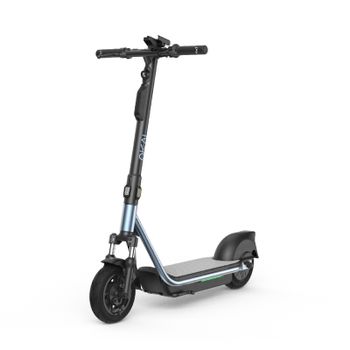

Buying one electric scooter for personal transportation is very different from selecting dozens or hundreds of vehicles for a business. For fleet operators, the decision affects not only riders but also charging, maintenance, service, vehicle availability, and long-term operating costs.
When evaluating commercial electric scooters, the lowest purchase price or the longest advertised range should not be the only criteria. Businesses need to determine whether a scooter fits their operating model and can be supported throughout its service life.
This guide outlines seven factors businesses should evaluate before purchasing an electric scooter fleet.
Start With the Business Model, Not the Scooter
The right commercial electric scooter depends on how the vehicles will be used.
Common business applications include:
- Shared mobility
- Short-term rental
- Last-mile delivery
- Campus transportation
- Hospitality and tourism
- Corporate mobility
- Private-site transportation
Each application creates different requirements. A shared mobility operator may prioritize connectivity and fleet management, while a delivery business may place greater emphasis on daily utilization, payload requirements, serviceability, and charging availability.
Defining the business model first prevents the purchasing process from becoming a simple comparison of specification sheets.
1. Define How the Fleet Will Be Used
Before selecting an electric scooter for business use, establish the operating conditions as clearly as possible.
| Question | Why It Matters |
|---|---|
| How many scooters are required? | Determines initial fleet scale and future expansion needs. |
| How frequently will they be used? | Helps define expected utilization and service requirements. |
| Who will ride them? | Rider profiles can affect vehicle requirements. |
| Where will they operate? | Terrain, roads, weather, and service areas influence vehicle selection. |
| How long must vehicles remain available? | Affects charging, maintenance, and fleet management planning. |
A clear operating profile gives businesses a practical framework for comparing different commercial scooter platforms.
2. Match the Scooter to the Operating Environment
Specifications that look attractive on paper may not be equally valuable in every environment.
For example, a fleet operating in a dense urban area may face frequent starts and stops, while vehicles used at resorts or campuses may operate across different surfaces and distances.
Businesses should evaluate factors such as:
- Road and terrain conditions
- Expected weather exposure
- Typical trip distance
- Rider frequency
- Parking or storage conditions
- Local operating restrictions
The objective is to match the vehicle configuration with the real operating environment rather than selecting a model based solely on headline specifications.
3. Look Beyond the Specification Sheet
A commercial scooter should be evaluated as a complete vehicle system.
Range
Advertised range is only one reference point. Actual operating requirements can depend on rider weight, terrain, temperature, riding behavior, utilization, and charging opportunities.
Battery
Battery availability directly affects fleet availability. Businesses should consider the battery system, charging workflow, monitoring requirements, and how batteries fit into the expected operating cycle.
Braking and Tires
Braking systems and tires are operational components that experience regular wear. Their service intervals, replacement process, and availability of spare parts should be considered before deployment.
Vehicle Construction
Commercial vehicles may experience more frequent use than privately owned scooters. Frame construction and component selection should therefore be evaluated against the expected utilization and operating environment.
For a deeper explanation of the characteristics that support fleet operation, see what makes an electric scooter fleet-ready.
4. Calculate Fleet Economics, Not Just Unit Price
The purchase price is only the beginning of the financial evaluation.
Businesses should consider the broader total cost of ownership, including:
- Vehicle acquisition
- Charging infrastructure
- Routine maintenance
- Replacement parts
- Battery-related costs
- Connectivity or software requirements
- Service labor
- Vehicle downtime
A scooter with a lower upfront price may not deliver the lowest operating cost if it requires more frequent servicing or creates longer periods of vehicle downtime.
For shared mobility operators, fleet economics should therefore be evaluated across the expected operating lifecycle rather than at the point of purchase alone.
5. Plan Maintenance Before Deployment
Maintenance should be part of the purchasing decision, not something considered after the fleet is already in operation.
Before purchasing, businesses should understand:
- Which components require regular inspection
- How common repairs are performed
- Which spare parts should be stocked
- How technical support is provided
- How warranty issues are handled
- How quickly vehicles can return to service
A well-defined maintenance process can help operators manage vehicle availability as the fleet grows.
Businesses can also review strategies for reducing maintenance costs in shared electric scooter fleets when developing their operating plan.
6. Evaluate Connectivity and Fleet Management
For larger deployments, the scooter is only one part of the operating system.
Connected electric scooter fleets can provide operators with information such as vehicle location, battery status, usage data, and other operational information. Depending on the business model, this information can support fleet monitoring, charging decisions, maintenance planning, and vehicle deployment.
Businesses should therefore determine whether they need:
- GPS or location tracking
- IoT connectivity
- Remote vehicle information
- Fleet management software integration
- Usage and operational data
Charging should also be considered alongside connectivity and fleet operations. For larger deployments, see how to build an efficient charging strategy for shared e-scooter and e-bike fleets.
7. Evaluate the Manufacturer, Not Just the Vehicle
For a commercial deployment, the manufacturer can have a significant impact on the long-term project.
Before placing a bulk order, businesses should ask:
- Can the manufacturer support the required production volume?
- What is the expected production and delivery process?
- Which certifications are available for the target market?
- How are spare parts supplied?
- What warranty and technical support are available?
- Can the product be customized?
- Can the manufacturer support future fleet expansion?
- Can hardware or software requirements be integrated into the project?
Supplier evaluation is particularly important for businesses planning long-term fleet deployments. For a more detailed framework, see what to look for in a commercial electric scooter supplier.
Build a Commercial Scooter Evaluation Checklist
Before making a purchase decision, businesses can organize their evaluation into four areas:
| Area | Key Questions |
|---|---|
| Vehicle | Does the scooter fit the intended riders, terrain, utilization, and range requirements? |
| Operations | Can the fleet be charged, serviced, monitored, and deployed efficiently? |
| Economics | What are the expected acquisition, maintenance, parts, and downtime costs? |
| Manufacturer | Can the supplier support production, customization, compliance, parts, and long-term service? |
This framework helps businesses compare commercial electric scooters based on their actual operating requirements instead of relying on a single specification or price point.
Frequently Asked Questions
What is a commercial electric scooter?
A commercial electric scooter is an electric scooter intended for business, fleet, rental, shared mobility, delivery, campus, hospitality, or other organizational applications.
What should I consider when buying commercial electric scooters?
Businesses should consider the operating model, fleet size, utilization, environment, vehicle specifications, maintenance, charging, connectivity, total cost of ownership, and manufacturer support.
Are commercial electric scooters different from consumer scooters?
Commercial scooters are evaluated for business operations as well as individual riding. Fleet utilization, serviceability, connectivity, spare parts, and long-term support can therefore become more important.
What is the most important factor when choosing a commercial electric scooter?
There is no single factor that applies to every business. The most important consideration is whether the vehicle fits the intended operating model, environment, utilization, and lifecycle requirements.
Should businesses evaluate the manufacturer before buying a scooter fleet?
Yes. Production capacity, certifications, customization, spare parts, technical support, warranty, and long-term supply capability can all affect the success of a commercial fleet deployment.
Conclusion
Choosing commercial electric scooters is ultimately a business decision, not simply a product comparison.
The right fleet should match the business model, operating environment, utilization, maintenance process, charging strategy, connectivity requirements, and long-term economics. Businesses should also evaluate the manufacturer behind the vehicle to ensure that production, support, spare parts, and future requirements can be addressed as the fleet grows.
By evaluating these seven factors before purchasing, fleet operators and other businesses can make a more informed decision and select an electric mobility solution that is aligned with their operational goals.
