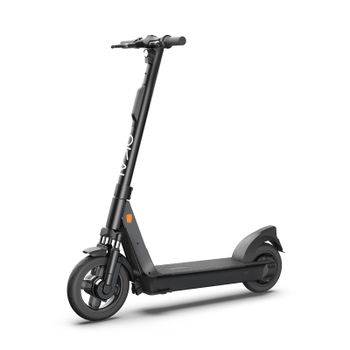
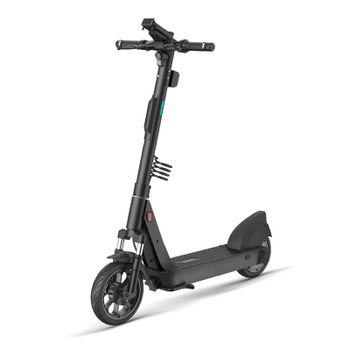
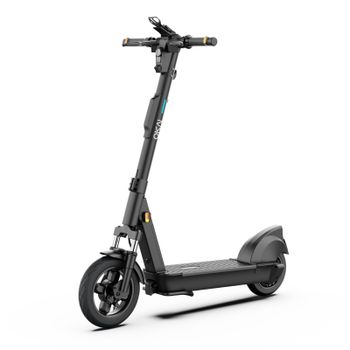
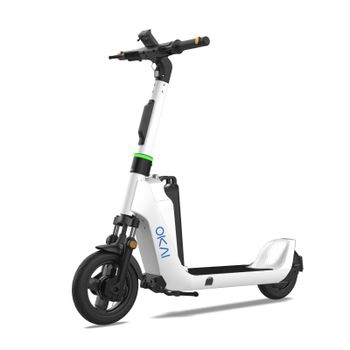
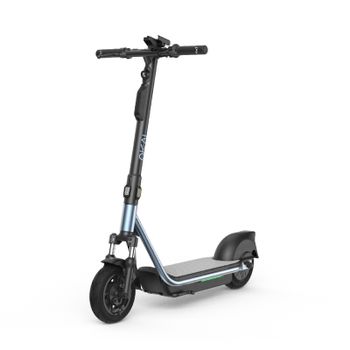
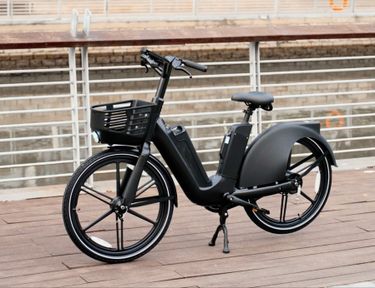
The best e-bike manufacturer for bulk orders should combine proven manufacturing experience, international certifications, scalable production, OEM/ODM capabilities, and reliable after-sales support. Choosing the right supplier helps reduce procurement risks, improve fleet reliability, and lower long-term operating costs. Evaluating these factors before purchasing helps reduce operational risks and improve long-term fleet performance.
As demand for electric bikes continues to grow across shared mobility, corporate fleets, last-mile delivery, and rental services, choosing the right e-bike manufacturer has become a critical business decision. A reliable manufacturing partner influences far more than product quality—it directly affects delivery schedules, maintenance costs, fleet uptime, and your long-term return on investment.
Unlike purchasing a few bikes for personal use, bulk procurement requires evaluating a supplier's manufacturing capabilities, quality control systems, certifications, customization options, and after-sales support. Choosing the wrong supplier can lead to inconsistent product quality, delayed shipments, spare parts shortages, and higher operating costs.
This guide explains how to evaluate an electric bike manufacturer before placing a bulk order, helping fleet operators, distributors, OEM buyers, and mobility companies make informed purchasing decisions.
Why Choosing the Right E-Bike Manufacturer Matters
An e-bike supplier is more than a product vendor—they become a long-term business partner. Whether you're launching a bike-sharing program, expanding a delivery fleet, or sourcing products for retail distribution, your manufacturer's capabilities directly influence operational efficiency and customer satisfaction.
A reliable manufacturer helps ensure consistent product quality, stable lead times, regulatory compliance, spare parts availability, and responsive technical support. In contrast, choosing a supplier based only on price often leads to shipment delays, inconsistent quality, and higher maintenance costs.
Step 1: Evaluate the Manufacturer's Experience and Industry Expertise
Not all e-bike manufacturers specialize in commercial mobility. Some focus primarily on consumer bicycles, while others have years of experience supporting fleet operators, delivery companies, and shared mobility programs.
Before selecting a supplier, consider questions such as:
- How long has the manufacturer been producing electric bikes?
- Do they have experience serving commercial fleet customers?
- Have they completed OEM or ODM projects for international brands?
- Do they continuously invest in research and product development?
An experienced manufacturer is more likely to understand the operational challenges faced by fleet managers, including durability requirements, maintenance efficiency, and large-scale deployment.
Manufacturers with extensive industry experience are also better equipped to respond to changing regulations, improve product reliability, and provide long-term technical support throughout the product lifecycle.
Step 2: Verify Production Capacity and Delivery Reliability
Production capability is one of the most overlooked factors when evaluating an e-bike manufacturer. A supplier may offer competitive pricing, but without sufficient manufacturing capacity, delivery delays can disrupt business operations and postpone fleet deployment.
Before placing a bulk order, confirm:
- Monthly production capacity
- Typical lead time for large orders
- Minimum order quantity (MOQ)
- Production scheduling during peak seasons
- Export experience in your target market
Reliable manufacturers should be transparent about production timelines and communicate potential scheduling risks early in the purchasing process.
If your project involves phased fleet deployment or seasonal demand, selecting a supplier with scalable manufacturing capacity can significantly reduce supply chain risks.
Step 3: Assess Product Quality and Testing Standards
Product quality directly impacts maintenance costs, rider safety, and fleet uptime. Instead of relying solely on marketing materials, request evidence of the manufacturer's quality control process.
Key areas to evaluate include:
Battery Lifecycle and BMS Quality
The battery is one of the most valuable components of an electric bike. Look for high-quality lithium-ion batteries with proven cycle life, stable performance, and recognized safety certifications.
| Evaluation Area | Consumer-Grade Standard | Commercial / Fleet Standard |
|---|
| Battery cycle life | Shorter lifespan under high-frequency cycling | Longer lifespan supported by active BMS protection |
| Battery Management System | Basic overcharge and over-discharge protection | Thermal management, accurate SOC estimation, remote health monitoring |
| Cell quality | Variable — check manufacturer specification carefully | Consistent quality cells from suppliers with documented testing records |
| Swappable design | Not typically supported | Hot-swap capability without powering down the vehicle |
| Shipping SOC | Typically shipped fully charged | ≤30% SOC as required by international dangerous goods regulations |
Learn more: How Long Do E-Bikes Last? Average Lifespan in KM
Motor Reliability
Commercial fleets require motors capable of delivering consistent performance under frequent daily use. Ask about motor durability testing, waterproof ratings, and expected service life.
Frame Durability
Fleet bikes experience significantly more wear than consumer bikes. Reinforced aluminum frames, corrosion-resistant coatings, and fatigue testing all contribute to longer product life.
Brake and Drivetrain Performance
Reliable braking systems and durable drivetrain components reduce maintenance frequency while improving rider safety in urban environments.
Before committing to a large purchase, request sample bikes whenever possible. Testing products under real operating conditions provides valuable insight into ride quality, component reliability, and overall build consistency.
Step 4: Verify Certifications and Regulatory Compliance
Different markets have different regulatory requirements for electric bikes. Working with a manufacturer that understands international compliance helps prevent customs delays, legal issues, and certification problems.
Depending on your target market, ask whether products comply with relevant standards.
| Certification | Market | Coverage | Notes |
|---|
| EN 15194 | European Union | E-bike system safety — motor power, speed limits, electrical systems | Required for CE marking in EU; mandatory for market entry |
| CE | European Union | Broad conformity — electrical, mechanical, EMC | Used alongside EN 15194 for e-bikes |
| UL 2849 | North America (US) | Complete e-bike electrical system safety | Increasingly required by US city procurement programs |
| UL 2271 | North America (US) | Lithium battery for light electric vehicles | Battery-specific standard; often paired with UL 2849 |
| UL 2272 | North America (US) | E-scooter electrical system safety | Applicable to e-scooter fleet deployments |
| CB Scheme | International (60+ countries) | Electrical safety mutual recognition | Single certification accepted across multiple markets |
| FCC SDoC | United States | Radio frequency / electromagnetic compliance | Required for IoT-connected models with wireless modules |
| RoHS / REACH | EU + Global | Hazardous substance restrictions | Relevant for B2B compliance and ESG reporting requirements |
Beyond product certifications, manufacturers should also maintain documented quality management processes and provide technical documentation when requested.
Compliance is especially important for fleet operators and government projects, where procurement standards are often more stringent than those for consumer sales.
Step 5: Evaluate OEM and ODM Customization Capabilities
For many businesses, purchasing electric bikes is about more than acquiring vehicles—it is about building a recognizable brand and creating a solution tailored to specific operational needs. Choosing a manufacturer with strong OEM and ODM capabilities allows businesses to customize products without developing an entirely new platform from scratch.
Depending on your business model, customization options may include:
- Company logos and brand graphics
- Custom frame colors and finishes
- Battery capacity options
- Integrated IoT or fleet management hardware
- App or software integration
- Cargo accessories or delivery-specific configurations
- Custom packaging and documentation
A manufacturer experienced in OEM and ODM projects should also provide engineering support, prototype validation, and production guidance to help ensure the final product meets both branding and operational requirements.
Rather than asking whether customization is available, ask how much customization the supplier can support without affecting production quality or delivery timelines.
Also read: How an OEM e-bike partner helps you launch faster?
Step 6: Assess After-Sales Support and Spare Parts Availability
The purchasing process doesn't end once the bikes are delivered. For commercial fleets and shared mobility operators, responsive after-sales support is just as important as product quality. A reliable manufacturer should be able to minimize downtime by providing technical assistance, replacement parts, and warranty services when needed.
Before signing a supply agreement, ask the manufacturer about:
- Warranty coverage for batteries, motors, and controllers
- Availability of replacement parts and expected delivery times
- Technical documentation and maintenance manuals
- Online or on-site technical training
- Dedicated customer support for commercial clients
Fast access to spare parts can significantly reduce fleet downtime and maintenance costs. This is especially important for businesses operating shared mobility programs or delivery fleets, where every unavailable vehicle affects operational efficiency. Preventive maintenance also helps reduce unexpected failures. Read our guide on: How to Diagnose and Prevent Electric Bike Chain Drop: A Fleet Manager's Guide
Also read: How to Choose the Right E-Bike for Your Fleet and Sharing Programs?
Step 7: Request Product Samples Before Placing a Bulk Order
Even if a manufacturer has an impressive portfolio and competitive pricing, requesting sample bikes before placing a large order is always recommended.
Testing sample units allows you to verify whether the products meet your operational requirements and quality expectations before committing to large-scale procurement.
During sample evaluation, consider checking:
- Ride comfort and handling
- Battery range under real operating conditions
- Motor performance and acceleration
- Brake responsiveness
- Build quality and component fit
- Waterproof performance
- Noise and vibration levels
- Ease of maintenance
If possible, have your maintenance team inspect the sample bike as well. Their feedback can help identify potential service issues before fleet deployment.
A professional manufacturer should also be willing to provide testing reports, product documentation, and technical support during the evaluation process.
E-Bike Manufacturer Evaluation Checklist
Before selecting an electric bike manufacturer, use the following checklist to compare potential suppliers:
| Evaluation Item | Why It Matters |
|---|
| Manufacturing experience | Demonstrates industry expertise and production stability |
| Production capacity | Helps ensure on-time delivery for bulk orders |
| Product testing | Verifies quality, durability, and safety |
| Certifications | Supports compliance with local regulations |
| OEM & ODM capability | Enables brand customization and product differentiation |
| Spare parts availability | Reduces maintenance downtime |
| Warranty & technical support | Improves long-term operational reliability |
| Sample evaluation | Confirms product performance before mass production |
Rather than selecting a supplier based solely on price, evaluating these factors together provides a more complete picture of long-term value and business reliability.
Common Mistakes When Choosing an E-Bike Manufacturer
Many businesses focus heavily on purchase price while overlooking factors that have a much greater impact on long-term operating costs.
Some of the most common mistakes include:
- Choosing the lowest-priced supplier without evaluating product quality
- Skipping sample testing before placing a bulk order
- Ignoring certifications required for the target market
- Overlooking spare parts availability and warranty support
- Failing to assess production capacity and delivery reliability
- Selecting a supplier with limited experience in commercial fleet projects
Avoiding these mistakes can help reduce operational risks and build a more reliable fleet over the long term.
Why Businesses Choose OKAI
Selecting the right electric bike manufacturer is about more than comparing specifications—it is about building a long-term relationship with a supplier that understands commercial mobility.
With more than 17 years of experience, OKAI has become one of the trusted Chinese eBike manufacturers serving shared mobility operators, fleet managers, distributors, and OEM partners worldwide. We specialize in developing durable commercial electric bikes that combine intelligent vehicle technology, reliable performance, and low-maintenance designs to help businesses reduce total operating costs throughout the product lifecycle.
Beyond manufacturing, OKAI provides OEM and ODM customization, quality-controlled production, global delivery capabilities, and professional after-sales support to help customers successfully deploy and scale their mobility projects.
Whether you're launching a bike-sharing program, expanding a delivery fleet, or developing a private-label product, partnering with an experienced electric bike manufacturer can improve fleet reliability, simplify maintenance, and support long-term business growth.
Explore our: Shared Electric Bikes
Learn more about: OEM & ODM Solutions
Conclusion
Choosing the right e-bike manufacturer is one of the most important decisions for any business investing in commercial electric mobility. While pricing is an important consideration, factors such as manufacturing experience, production capacity, product quality, certifications, customization capabilities, and after-sales support have a far greater impact on long-term success.
By carefully evaluating potential suppliers, requesting product samples, and understanding the manufacturer's technical capabilities, businesses can reduce procurement risks and build more reliable fleets that deliver better performance over time.
If you're looking for an experienced electric bike manufacturer for fleet deployment, shared mobility programs, or OEM and ODM projects, OKAI is ready to help you develop a solution tailored to your business needs.