
How to Choose the Right E-Bike for Fleet and Shared Mobility Programs
Choosing an electric bike for a commercial fleet is very different from buying one for personal use. Fleet operators need to evaluate durability, maintenance costs, battery management, rider safety, and long-term operating efficiency—not just speed or appearance.
Whether you're launching a bike-sharing program, expanding a campus transportation system, operating a tourism fleet, or managing last-mile delivery services, selecting the right fleet electric bike can reduce operating costs, improve vehicle uptime, and deliver a better riding experience.
This guide walks you through the key factors to consider when choosing an electric bike for fleet operations, helping you make a more informed investment for your shared mobility business.
Quick reference: What fleet operators should evaluate when choosing an e-bike
- Application type — bike sharing, campus, tourism, or delivery each requires different specifications
- Battery system — swappable batteries reduce downtime; evaluate charge cycles and replacement cost
- Durability rating — commercial use demands aircraft-grade frames and IPX5+ waterproofing
- IoT connectivity — GPS, remote diagnostics, and geofencing are standard expectations for managed fleets
- Total cost of ownership — purchase price, maintenance frequency, battery lifespan, and parts availability
Step 1: Identify Your Fleet Application
Before comparing specifications, define how your fleet will be used. Different commercial applications place different demands on an electric bike, and choosing a model designed for your operating scenario can significantly reduce maintenance costs over time.
Bike Sharing Programs
Shared mobility fleets require durable frames, vandal-resistant components, swappable batteries, and IoT connectivity for remote fleet management. Reliability and easy maintenance are often more important than maximum speed.
Campus Transportation
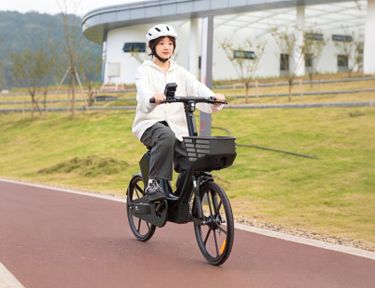
Universities, business parks, and corporate campuses benefit from comfortable, low-maintenance electric bikes with stable handling, long battery life, and rider-friendly ergonomics that accommodate users with different riding experience.
Let's know the Benefits of e-bikes for campus transportation.
Tourism and Rental Businesses
Tourism fleets should prioritize rider comfort, intuitive controls, long range, and durable components that can withstand frequent use by different riders throughout the day.
It is possible that you also want to know: The Rise of E-Bike Rentals in Hospitality and Tourism: What B2B Buyers Need to Know.
Delivery Fleets
For delivery operations, high motor torque, strong load capacity, and dependable braking systems help improve efficiency while reducing wear caused by continuous stop-and-go riding.
Related read: How food delivery companies reduce costs with e-bike fleets.
Step 2: Evaluate Your Operating Environment
The riding environment has a direct impact on vehicle performance and maintenance requirements.
For urban streets, lightweight electric bikes with responsive handling are often the best choice. Mixed-use paths require wider tires and improved suspension for greater comfort, while industrial parks and logistics hubs benefit from durable frames designed for continuous operation.
If your fleet regularly operates in rainy regions or challenging weather conditions, look for models with high waterproof ratings and sealed electrical systems to reduce maintenance needs and improve long-term reliability.
Step 3: Compare the Features That Matter Most for Fleet Operations
Instead of focusing only on motor power or maximum speed, fleet buyers should evaluate the features that have the greatest impact on total cost of ownership.
| Parameter | Consumer Reference Value | Fleet / Commercial Reference Value |
|---|---|---|
| Motor Power | 250–350W for city use | 350–500W+ for high-load or hilly terrain |
| Battery Capacity | 36V / 10Ah for short commutes | 48V / 15Ah+ for extended daily range |
| Frame Material | Aluminum (value) or carbon (performance) | Aircraft-grade aluminum for high-cycle durability |
| Suspension | Rigid or front fork for city riding | Front suspension minimum for mixed-terrain fleets |
| Brakes | Rim brakes for light city use | Hydraulic disc brakes for all-weather reliability |
| Tires | 1.75–2.1" for paved roads | 2.1–2.4" puncture-resistant tires for mixed terrain |
| IP Rating | IPX4 for light splash resistance | IPX5+ for all-weather fleet exposure |
Battery System
A swappable battery system minimizes vehicle downtime and allows fleets to remain operational throughout the day without waiting for charging cycles. Battery lifespan, charging efficiency, and replacement costs should all be considered during procurement.
Learn about fast charging and battery lifecycle: Does Fast Charging Damage E-Bike Batteries? Lifecycle Impact for Fleet Buyers.
Durability
Commercial electric bikes experience significantly higher daily usage than consumer models. Look for reinforced frames, puncture-resistant tires, weather-resistant electrical components, and durable braking systems that can withstand continuous operation.
Maintenance Requirements
Choosing bikes with modular components and simplified drivetrains makes routine servicing faster and more cost-effective. Easy access to replacement parts also helps minimize downtime across the fleet.
It is possible that you also want to know: How to Diagnose and Prevent Electric Bike Chain Drop.
Smart Fleet Management
Modern fleet e-bikes increasingly support IoT connectivity, GPS tracking, remote diagnostics, geofencing, and over-the-air software updates. These features help operators monitor vehicle status, improve utilization, and simplify fleet management.
Rider Accessibility
An electric bike designed for commercial use should be comfortable and easy to ride for a wide range of users. Step-through frames, ergonomic riding positions, and adjustable components improve accessibility while reducing rider fatigue.
Step 4: Consider Long-Term Operating Costs
The purchase price is only one part of the investment. Fleet operators should also evaluate maintenance frequency, battery replacement costs, spare parts availability, vehicle lifespan, and service efficiency.
Choosing a durable commercial electric bike often results in a lower total cost of ownership (TCO), even if the initial purchase price is higher.
Step 5: Select a Commercial E-Bike Designed for Fleet Reliability
The most successful shared mobility operators focus on long-term reliability rather than short-term savings.
OKAI commercial electric bikes are designed specifically for fleet applications, combining durable construction, swappable battery systems, IoT connectivity, and simplified maintenance to support bike-sharing programs, campus transportation, tourism operations, and delivery services.
By selecting fleet-ready vehicles built for continuous daily use, operators can improve uptime, reduce maintenance costs, and deliver a better riding experience for end users.
OKAI fleet e-bike models suited to different applications:
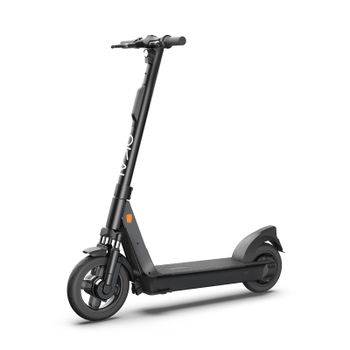
- EB100B — Bike sharing & urban fleet: swappable battery, IoT, 500W peak, integrated helmet storage
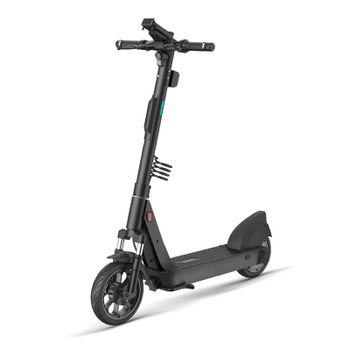
- EB100B V3 — Campus & multi-rider programs: 26" wheels, anti-puncture tires, ergonomic geometry
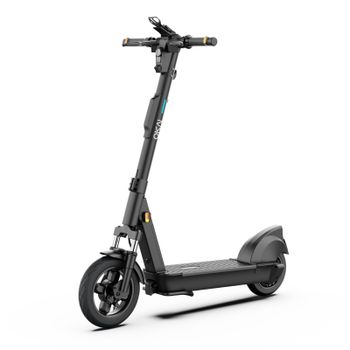
- EB300 — Hotel & resort fleets: lightweight 20" frame, IPX7 electronics, low step-through height
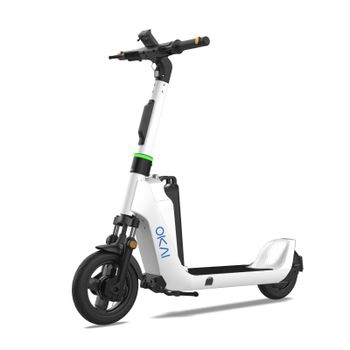
- EB001 — Inclusive programs & tourism: side-loading battery, IF Design Award winner, 70KM range
Fleet Applications and Recommended Features
| Fleet Application | Recommended Features |
|---|---|
| Bike Sharing | Swappable battery, IoT connectivity, vandal-resistant components |
| Campus Mobility | Comfortable geometry, long battery life, easy operation |
| Tourism & Rentals | Long range, ergonomic design, durable frame |
| Delivery Services | High torque, cargo capacity, reliable brakes |
FAQs about Choose the Right E-Bike
What is the best e-bike for a commercial fleet?
The best fleet electric bike depends on your operating scenario. Bike-sharing systems typically prioritize durability and swappable batteries, while delivery fleets require higher torque and greater load capacity.
What features reduce fleet maintenance costs?
Commercial operators should prioritize durable frames, modular components, puncture-resistant tires, sealed electrical systems, and simplified drivetrains that reduce routine maintenance and downtime.
Are swappable batteries better for fleet operations?
Yes. Swappable battery systems allow operators to exchange batteries within minutes, reducing vehicle downtime and improving fleet utilization throughout the day.
How long does a commercial e-bike last?
With proper maintenance, commercial electric bikes can operate for tens of thousands of kilometers. Battery lifespan, drivetrain maintenance, and riding conditions all influence overall service life.
Are electric bikes suitable for campus transportation?
Yes. Electric bikes provide an efficient and sustainable transportation solution for universities, corporate campuses, resorts, and industrial parks by reducing congestion while improving mobility.
Conclusion
Choosing the right electric bike for fleet operations requires more than comparing specifications. Operators should evaluate how each model performs across daily commercial use, maintenance efficiency, battery management, rider accessibility, and long-term operating costs.
Whether you're building a bike-sharing network, expanding a campus transportation system, operating a tourism fleet, or managing last-mile delivery services, investing in commercial electric bikes designed specifically for shared mobility can improve uptime, lower maintenance costs, and deliver a better rider experience.
Explore OKAI's fleet-ready electric bikes to discover solutions built for modern shared mobility programs.

Phone: 1-800-660-3498
Email:
nihao@okai.co
(for business)
b2bsupport@okai.co
(for tech support)
Copyright © 2023 OKAI all rights reserved.