
What to Do If the Electric Bike Runs Out of Power on the Road?
Electric bikes have become a go-to choice for urban commuters, weekend explorers, and riders who simply want a smooth, efficient way to get around. Whether you ride daily or occasionally, understanding how to handle low battery situations — and how to prevent them — will save you stress and help you ride smarter.
This article walks you through practical steps, tips to reduce electric bike power consumption, and long-term strategies to ensure your e-bike stays reliable wherever you go.
Why an Electric Bike Runs Out of Power Unexpectedly
Before we get into the solutions, it helps to understand why an electric bike loses power in the first place. It’s rarely just “bad luck.” More often, it’s a mix of usage habits, terrain, and battery care.
Common Reasons Your E-Bike Battery Drains Faster
- Aggressive riding modes like Sport or Turbo increase electric bike power consumption significantly.
- Frequent acceleration or hill climbing taxes the motor quickly.
- Underinflated tires add rolling resistance and reduce battery efficiency.
- Cold temperatures temporarily lower battery capacity.
- Lack of regular charging cycles hurts long-term battery health.
Understanding these patterns helps you react quickly — and prevent future surprises.
What to Do When Your Electric Bike Runs Out of Power on the Road
Running out of battery isn’t the end of the world, especially with the right plan. Let’s break down what to do depending on where you are and what your situation is.
Stay Calm and Assess the Situation
The first thing most riders feel when the electric bike battery drops to zero is panic. But the good news is: you still have options.
Check Your Actual Battery Level
Sometimes the display misreads battery levels due to:
- sudden temperature shifts
- loose battery connectors
- software glitches
Turn your e-bike off and on again. On many models, the reading resets more accurately.
Confirm Whether the Bike Can Still Operate Manually
Most electric bikes still allow pedaling like a regular bicycle. If your electric bike runs out of power but the drivetrain is intact, you can pedal manually to your destination — though it may feel heavier if the motor has no assist.
Switch to Pedal Mode and Ride Conservatively
If pedaling is possible, switch to manual mode and take it slow.
Choose Flat Routes When Possible
Minimizing elevation saves energy — and your legs. Apps like Google Maps offer bike-friendly, low-incline paths.
Shift to a Lower Gear
A lower gear reduces effort and makes it easier to pedal the electric bike with no motor support.
Avoid Frequent Stops and Starts
Constant acceleration increases effort. Maintain a steady rhythm instead.
Look for Nearby Charging Options
Many riders forget that e-bike charging is more accessible than ever.
Where Can You Charge Your Electric Bike?
- cafés and co-working spaces
- convenience stores
- public libraries
- EV charging hubs with standard outlets
- friends' or businesses’ outdoor plugs
Always carry a compact charger if you ride often. A 15–20 minute charge can give your electric bike enough power to reach your destination.
Consider Carrying a Backup Portable Battery
Some e-bike models support swappable batteries — a lifesaver for long trips.
Use Walk Assist Mode if Available
Many electric bikes include a “walk assist” function that provides minimal motor support (usually at 3–6 km/h). It’s designed for slopes or heavy loads, but it can help you push the bike without exhausting yourself.
This is especially helpful if:
- you’re stuck on a hill
- pedaling is too difficult
- you’re far from a safe riding area
Call for Support if You're Truly Stranded
Sometimes you’re far from home with no charging outlets around. In this case:
Consider Ride-Share Pickups
Services like Grab, Uber, or standard taxis often accept a folded or medium-sized electric bike.
Call a Friend With a Car or Rack
A simple and stress-free option.
Use Roadside Assistance Programs
Some cycling communities and premium e-bike brands offer assistance for stranded riders.
Practical Steps to Prevent Running Out of Power Again
Being proactive beats being stranded. Here’s how to stay ahead of electric bike power consumption issues.
Monitor Real-Time Battery Data
Some e-bikes offer detailed battery analytics:
- current watts
- estimated range
- battery temperature
- riding mode consumption
These insights help you ride more efficiently.
Manage Riding Modes Wisely
Eco and Normal modes extend range dramatically. Reserve Sport or Turbo only for:
- steep hills
- heavy cargo
- short spurts of speed
Maintain Proper Tire Pressure
Low tires increase resistance, which raises electric bike power consumption. Check them weekly.
Plan Your Route Ahead
Choose routes with:
- fewer hills
- smoother roads
- fewer stoplights
A predictable route helps conserve battery.
Keep Your Battery Between 20% and 80%
This habit slows long-term battery wear and keeps you from hitting emergency lows.
Avoid Extreme Heat or Cold
Temperature stress impacts both battery capacity and output. Store your e-bike indoors when possible.
Why Choosing the Right Electric Bike Matters
Not all electric bikes manage power the same way. Motor efficiency, smart battery management, and drivetrain design can greatly reduce unexpected shutdowns.
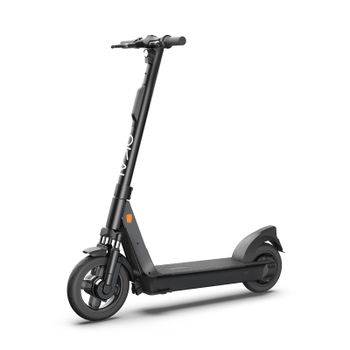
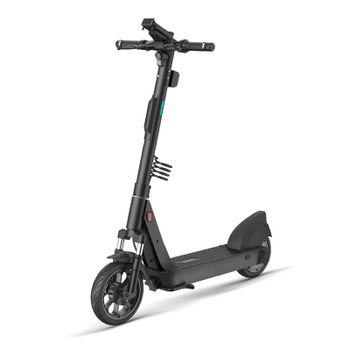
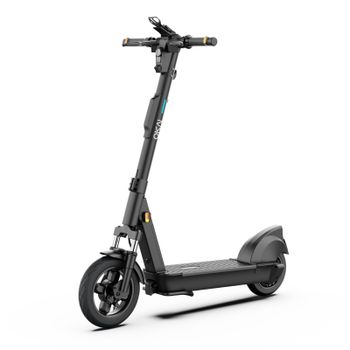
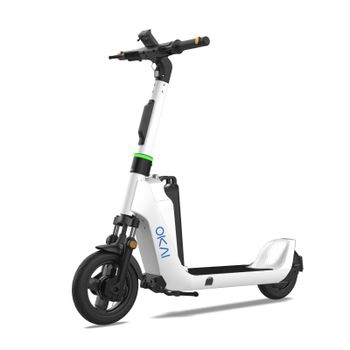
This is where the OKAI EB100B-V3 electric bike shines — and it’s worth highlighting because it's engineered for longevity and real-world reliability.
Soft Recommendation — OKAI EB100B-V3
If you're looking to upgrade or want an electric bike that handles electric bike power consumption intelligently, the OKAI EB100B-V3 is a strong fit.
Why This Model Helps You Avoid Running Out of Power
- New drivetrain system improves riding efficiency for longer range.
- Concealed cable design protects essential components and extends the lifespan of the e-bike.
- Durable build reduces maintenance issues that might drain power unexpectedly.
- Comfort-focused design supports both short trips and long-distance rides.
It's a simple way to make sure your future rides are smoother and less prone to battery surprises.
Final Thoughts — Ride Prepared, Ride Confident
Running out of power on your electric bike isn’t ideal, but it’s manageable — and avoidable. Once you understand what affects electric bike power consumption, you can plan smarter, ride farther, and stress less.
Here’s the mindset to keep:
- stay calm
- assess your options
- use your remaining tools (pedal mode, walk assist, charging stops)
- ride efficiently
- choose a reliable e-bike with good battery management
When you stay informed and prepared, even an unexpected low-battery situation becomes just another part of the journey.

Phone: 1-800-660-3498
Email:
nihao@okai.co
(for business)
b2bsupport@okai.co
(for tech support)
Copyright © 2023 OKAI all rights reserved.