
How Fast Do Electric Scooters Go? A Guide to Top Speed
Electric scooters are designed for different types of journeys, from short urban commutes to more demanding daily use. But how fast do electric scooters go? The answer depends on the model, its configuration, riding conditions, and the regulations that apply where it is used.
Understanding the difference between advertised top speed and real-world riding speed can help individual riders compare scooters more effectively. It also helps distributors, fleet operators, and other mobility businesses evaluate whether a model is suitable for a particular market or application.
How Fast Do Electric Scooters Go?
There is no single top speed for all electric scooters. Some everyday models are designed for speeds around 20–25 km/h (12–16 mph), while other models specify higher maximum speeds. The appropriate speed depends on the vehicle's design, intended use, and local requirements.
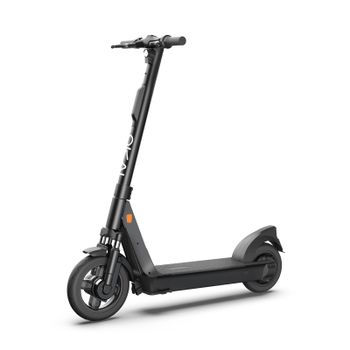
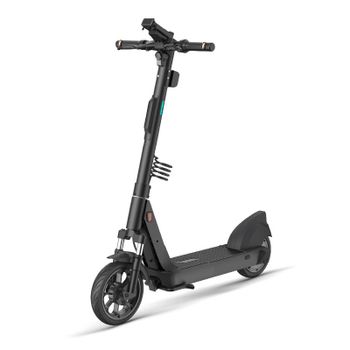
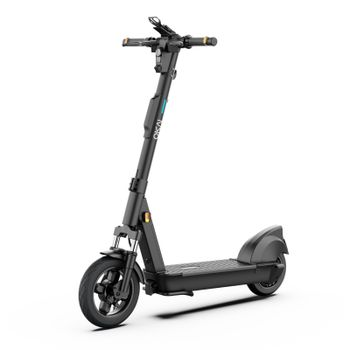
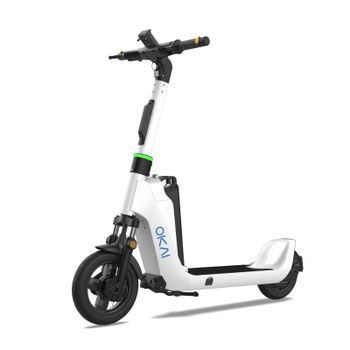
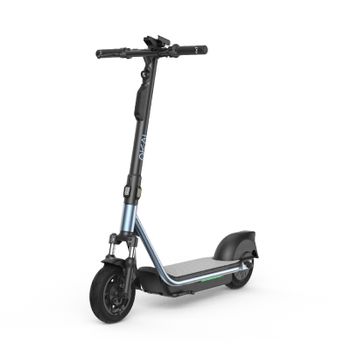
For example, OKAI's product specifications list different maximum speeds for different models:
These specifications illustrate the differences that can exist between models. They should not be interpreted as a universal speed range, a guarantee of the speed achievable in every condition, or confirmation that a particular configuration is legal in every market.
When comparing electric scooters, it is important to distinguish three concepts:
- Maximum specified speed: The maximum speed stated for a particular model or configuration.
- Real-world riding speed: The speed achieved under actual conditions, which can be lower than the specified maximum.
- Legal speed limit: The speed permitted by the regulations that apply to the vehicle and riding location.
A scooter may have the technical capability to reach a certain speed, but local rules may restrict its use to a lower speed or prohibit its use in certain public areas altogether.
What Is the Average Speed of an Electric Scooter?
The average speed of an electric scooter varies by route and riding conditions. A journey through busy streets with frequent stops will usually have a different average speed from a ride on a clear, flat route.
It is also important to distinguish average journey speed from maximum speed. A scooter may briefly reach its specified maximum but travel at a lower average speed over the entire journey.
| Riding situation | How it affects speed |
|---|---|
| Urban commuting | Traffic, intersections, pedestrians, and frequent stops can reduce average journey speed. |
| Flat, smooth surfaces | Consistent terrain can make it easier to maintain a steady speed when conditions permit. |
| Uphill routes | Inclines increase the load on the motor and may reduce speed. |
| Rough or uneven surfaces | Surface conditions can affect stability and control, making a lower riding speed appropriate. |
| Strong headwinds or heavy loads | Additional resistance can affect acceleration, energy consumption, and the ability to maintain speed. |
For commercial applications, top speed alone is not enough to evaluate a scooter. Operators should also consider route conditions, braking performance, durability, maintenance requirements, and the needs of the intended users.
What Affects Electric Scooter Top Speed?
An electric scooter's speed depends on several interacting components and external conditions. Looking at one specification in isolation can give an incomplete picture of its performance.
1. Motor Power and Controller Settings
The motor converts electrical energy into motion, while the controller manages power delivery. Motor output can influence acceleration and hill-climbing performance, but it does not determine top speed on its own.
The controller's settings, the battery system, wheel size, vehicle design, and any programmed speed restrictions also contribute to the final performance of a scooter.
For a deeper explanation of the relationship between motor design and performance, read How Electric Scooter Motors Work for Performance and Fleet Efficiency.
2. Battery Condition and Power Delivery
The battery supplies the electrical energy needed to run the motor. A low charge or a battery that is no longer performing as expected may affect power delivery, depending on the vehicle's design and control system.
Battery capacity and top speed are not the same thing. Capacity indicates how much energy a battery can store, while achievable speed depends on the complete electrical and mechanical system.
3. Rider Weight and Payload
The total load affects how much effort is required to accelerate and climb. A scooter carrying a heavier rider or additional cargo may perform differently from the same model under lighter load conditions.
For delivery fleets and other commercial applications, it is particularly important to check the manufacturer's maximum load specification and evaluate the scooter under conditions representative of its intended use.
4. Terrain and Weather
Slopes, rough surfaces, wind, and weather can affect both speed and energy consumption. A scooter may travel more slowly uphill than on a flat road, while a strong headwind can increase resistance.
Wet or slippery surfaces also require additional caution. Even when a scooter can reach a higher speed, reducing speed may be necessary to maintain control and allow sufficient stopping distance.
5. Tire Pressure and Maintenance
Tire condition and pressure influence rolling resistance, handling, and ride quality. Underinflated tires, worn components, or brake drag may affect how efficiently a scooter operates.
Follow the manufacturer's recommended maintenance schedule, check tires and brakes regularly, and use the specified tire pressure for the particular model. Maintenance can help a scooter perform as intended, but it cannot safely or legitimately override its designed speed restrictions.
Electric Scooter Speed Limits Around the World
Electric scooter laws vary significantly between countries and local jurisdictions. Regulations may define a vehicle's maximum design speed, restrict the speed at which it can be operated, or determine whether it can be used on public roads, cycle lanes, or other public spaces.
For example, Ireland's official guidance specifies a maximum design speed of 20 km/h for electric scooters that meet its requirements. In Great Britain, privately owned e-scooters generally cannot be used on public roads, pavements, or cycle lanes; permitted use is limited to private land with the landowner's permission, while approved rental trials operate under separate rules.
These examples demonstrate why a scooter's advertised speed should not be treated as proof of legal road use. Requirements differ between markets and may also depend on the exact vehicle configuration.
Before buying, distributing, or deploying electric scooters, check the current requirements of the relevant authority. For additional information, consult the Irish Department of Transport's e-scooter guidance and the UK government's electric scooter rules.
For manufacturers, distributors, and fleet operators, verifying the correct market-specific version is an important part of product selection and deployment planning.
Does a Higher Top Speed Mean a Better Electric Scooter?
Not necessarily. The best scooter is one that suits its intended application and meets the requirements of its operating environment.
- Daily commuting: Consider the permitted riding speed, braking, visibility, handling, and practical range.
- Commercial and fleet applications: Evaluate durability, maintenance needs, configuration options, and compliance with local requirements alongside speed.
- Routes with hills: Look at climbing capability and how the scooter performs under load, rather than relying only on its maximum speed figure.
- Mixed riding conditions: Consider tire design, suspension where applicable, braking performance, and the suitability of the model for the intended surfaces.
For B2B buyers, product selection should account for the complete use case. A higher top speed is not automatically an advantage if the vehicle is unsuitable for the local regulations, route conditions, or needs of its intended riders.
How Can You Maintain Consistent Electric Scooter Performance?
Regular maintenance helps keep an electric scooter operating as intended. It does not increase the vehicle's designed speed, but it can help prevent avoidable performance problems.
- Charge and store the battery according to the manufacturer's instructions.
- Inspect tires for wear or damage and maintain the recommended pressure.
- Check the brakes, lights, and other safety-critical components regularly.
- Use approved riding modes and manufacturer-recommended settings.
- Avoid exceeding the specified maximum load.
- Arrange professional inspection if the scooter develops an unexplained loss of performance.
Speed and range are related to some of the same operating conditions, including load, terrain, and riding behaviour. Learn more in What Impacts the Range of Your Electric Scooter?.
Riders should also consider safe riding practices, appropriate protective equipment, and local rules. See Are Electric Scooters Safe? What Every New Rider Should Know for additional guidance.
Frequently Asked Questions
Can an electric scooter go 30 mph?
Some electric scooter models specify maximum speeds of 30 mph or higher, while others have much lower limits. The answer depends on the model and its configuration. Whether that speed is legal to use depends on the applicable regulations and riding location.
Does a more powerful motor always make an electric scooter faster?
No. Motor power can influence acceleration and climbing ability, but top speed also depends on the controller, battery system, wheel size, vehicle design, and programmed restrictions.
Why is my electric scooter slower than its specified top speed?
Possible factors include battery charge, rider load, hills, wind, tire pressure, maintenance issues, or a speed restriction. Check the manual and the specifications for your model. If the performance change is unexpected, consult the manufacturer or an authorised service provider.
Can I modify my electric scooter to increase its top speed?
Bypassing speed restrictions or making unapproved modifications can compromise safety, affect warranty coverage, and make a scooter non-compliant with local requirements. Modifications to electrical components may also increase the risk of overheating or battery-related hazards. Follow the manufacturer's guidance and use only approved configurations.
Is 25 km/h fast for an electric scooter?
A maximum speed of 25 km/h is a specification used by some everyday electric scooters, including the OKAI ES700S. Whether it is appropriate depends on the route, local regulations, riding conditions, and the user's experience. The specified maximum does not mean that this speed is suitable in every situation.
Is the fastest electric scooter always the best choice for a fleet?
No. Fleet operators should assess the full operating environment, including legal speed restrictions, route conditions, braking, durability, maintenance, and rider requirements. A scooter that is well matched to its intended use may be a better choice than one selected primarily for top speed.
Final Thoughts
Electric scooter top speed varies by model, configuration, and intended use. Some everyday models specify maximum speeds around 20–25 km/h, while other models are designed for higher speeds. Actual riding speed can be lower because of terrain, load, weather, and traffic, and local regulations may impose additional restrictions.
When comparing electric scooters, look beyond the headline speed figure. Consider the vehicle's full specifications, the conditions in which it will be used, and the rules that apply in the target market. For both individual riders and businesses, the right scooter is one that delivers suitable performance while meeting the needs of its intended environment.
You may also want to know:

Phone: 1-800-660-3498
Email:
nihao@okai.co
(for business)
b2bsupport@okai.co
(for tech support)
Copyright © 2023 OKAI all rights reserved.